What this article covers:
- The exact FY26 Q2 Xbox numbers Microsoft reported
- Why a hardware drop this steep matters even if you love Game Pass
- What “Xbox is failing” means in practical terms, not comment-section terms
- The most plausible next chapter for Xbox hardware and publishing
Microsoft’s latest quarterly results delivered a familiar plot twist: the company is thriving, while Xbox is doing that delicate little shuffle where it insists everything is fine and then quietly posts worse numbers anyway.
TrueAchievements highlighted the same headline everyone else did: Xbox’s holiday quarter landed below expectations. The broader earnings coverage paints the sharper point. In Microsoft’s FY26 Q2 reporting, gaming revenue fell 9% year over year, Xbox hardware revenue fell 32%, and Xbox content and services revenue fell 5%.
What Microsoft reported, without the corporate perfume
Here are the numbers that matter:
- Gaming revenue: down 9%
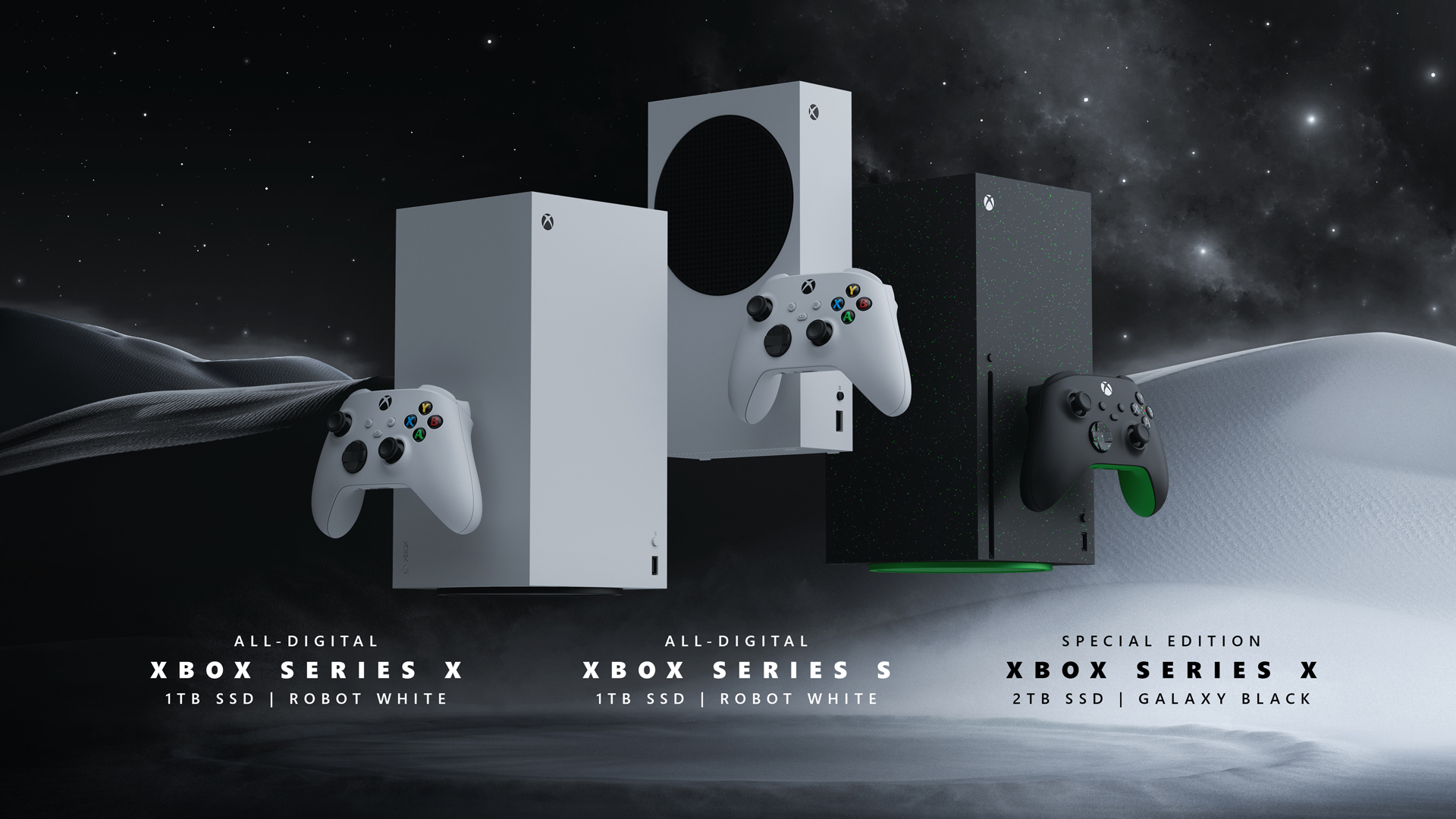
- Xbox hardware revenue: down 32% because fewer consoles were sold
- Xbox content and services revenue: down 5% on a comparison that benefited from stronger first-party performance the prior year
If you were hoping for a clever loophole where subscriptions magically erase a console slump, this was not the quarter for it.
So why is Xbox “failing” right now?
Let’s define the accusation before we sharpen it. Xbox is not failing as a corporate division inside Microsoft. Microsoft can afford a lot of things. Microsoft is spectacularly good at being Microsoft.
What’s failing is Xbox’s traditional strength: making the console feel like the obvious place to play.
A 32% hardware decline is not a gentle seasonal wobble. It’s a billboard that reads: “Consumers are not buying the box at the rate you want.” And when content and services also slide, it tells you the software side did not counterbalance the hardware drop.
Three reasons the numbers look ugly
1 The console is aging, and the urgency is gone
Console cycles always cool off. The problem is when “cooling off” becomes “why should I bother.” If buyers do not feel urgency, they wait. When enough people wait, the quarter looks like this.
2 First-party output did not carry the quarter
Microsoft itself pointed to a tougher comparison driven by stronger first-party performance the prior year. Translation: last year sold better, and this year did not match it.
This is the eternal platform holder dilemma. You can have the best subscription pitch in the world, but the industry still runs on hits. If the hits are not landing with the same force, sales soften across the platform.
3 The strategy is hard to explain in one sentence
Xbox wants to be a console, a subscription, a PC-first storefront, a cloud option, and a publisher that sells games everywhere. That can be a smart long-term play. It is also a branding headache.
When customers cannot instantly answer “why this hardware, right now,” they default to the safest decision in retail: buying nothing.

What this means for Game Pass, and why the 5% drop matters
Content and services includes Game Pass, first-party sales, and other digital revenue. A 5% decline does not mean Game Pass is doomed. It does mean the broader services bucket did not grow enough to cover softer hardware and a tougher content quarter.
That matters because the public case for modern Xbox rests heavily on subscriptions and software reach. If that bucket is flat-to-down in a holiday quarter, the story becomes uncomfortable: either growth is slowing, or the mix of releases and engagement was not strong enough, or both.

Where Xbox is likely going next
Here’s the honest forecast, written for people who have calendars and budgets.
- More PC emphasis: PC remains the cleanest path to expand the audience without demanding new hardware purchases.
- More publishing reach: Expect more Microsoft-owned games to appear on multiple platforms, because software scale is the growth lever Microsoft understands best.
- Hardware that changes shape: The next Xbox hardware era is likely to be less “one flagship console for everyone” and more “a small family of devices,” potentially with a stronger PC-like foundation.
And yes, that will irritate traditionalists. It will also be consistent with the numbers. When hardware shrinks and services are not exploding upward, the easiest way to grow is selling games to more people in more places.
What Xbox must do to stop the slide
If Xbox wants to reverse this, it needs three things, and none of them are slogans:
- A reliable first-party release cadence that makes missing the platform feel inconvenient
- A clearer hardware reason to exist beyond “it’s an Xbox, therefore it is Xboxing”
- Better alignment between pricing and perceived value across console, subscriptions, and software
Until then, you should expect more quarters where Microsoft celebrates cloud growth while Xbox fans argue about whether this is a transformation or a slow retreat. It can be either. The difference will be made by games people cannot stop talking about, not quarterly phrasing people cannot remember.
Sources and further reading
- TrueAchievements: Xbox earnings update January 2026
- Microsoft Investor Relations: FY26 Q2 More Personal Computing performance
- The Verge: Microsoft FY26 Q2 earnings coverage
- PC Gamer: Xbox hardware down 32% and gaming down 9%
- GameSpot: summary of Xbox declines in FY26 Q2
About the Author


Chad Hughes is a Cross Disciplined tech Founder, most notably for Professor Soni Agentic AI and founding Veribeat Capital.