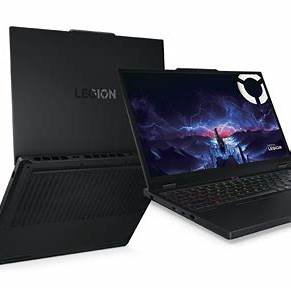
Lenovo’s Legion 5i Gen 11 is the kind of CES release that does not scream for attention, which is either humble confidence or a brand habit. Either way, the result is the same: it quietly becomes a front-runner for anyone shopping a midrange gaming laptop who still wants their screen to look like something from this decade.
This refresh is not a flashy reinvention. It is a set of targeted upgrades that hit the parts you actually notice every day: a proper OLED panel, new Intel Core Ultra Series 3 options, and a GPU ceiling that stays sensible instead of trying to cosplay as a desktop replacement.

What the Legion 5i Gen 11 is, and what Lenovo changed
The Legion 5i Gen 11 is Lenovo’s 2026 Legion 5 refresh built around Intel’s Panther Lake H class Core Ultra processors. In the configurations that have been widely referenced so far, the CPU options include Core Ultra 7 356H and Core Ultra 9 386H.
The headline display option is where the Gen 11 earns its keep: a 15.3-inch, 16 by 10 OLED panel at 2560 by 1600 with a 165Hz refresh rate. Lenovo can call that an upgrade. Your eyeballs will call it the reason you stop shopping.
On graphics, Lenovo keeps the Legion 5i in the midrange lane with GeForce RTX 5050 and GeForce RTX 5060 Laptop GPU options, typically paired with MUX and Advanced Optimus features in this class. The point is not maximum wattage heroics. The point is playable modern games, reasonable heat, and fewer fan tantrums during normal use.
Why this laptop matters more than its quiet rollout suggests
Two reasons: OLED, and restraint.
OLED is the upgrade you feel constantly. You notice it in documents, streaming, editing, and yes, games. Better contrast and richer color do more for perceived quality than a small CPU bump that only shows itself when you are running a synthetic test for fun, or for coping.
Restraint is now a feature, not a compromise. The Legion 5i Gen 11 does not pretend it is a 17-inch desktop replacement with a power budget that requires zoning permits. It aims for the center of the market where most people actually live: a machine that can handle AAA gaming with upscaling help, power through school or work, and still fit in a backpack without turning your spine into a grievance department.

Who should buy it, and who should look elsewhere
This is for you if:
- You want one laptop for school or work and real gaming, and you care about display quality.
- You edit photos or video and want OLED color without paying premium creator-laptop markup.
- You want a gaming laptop that can behave in public, meaning it does not look like it drinks neon energy for breakfast.
Skip it if:
- You are chasing top-tier GPU performance. If you want RTX 5070 Ti class and above, you are shopping a different category, and likely a louder one.
- You cannot stand glossy panels in bright rooms. OLED is gorgeous, and also unapologetically reflective.
Release timing and US availability, what we can say without guessing
Coverage tied to Lenovo’s CES 2026 refresh points to April 2026 availability for the Legion 5i Gen 11 in North America, with configuration details varying by region and retailer. Europe has already seen early ordering activity in some markets, which usually means the US is next rather than mythical.
When it lands, your most reliable first stops are Lenovo direct for the broadest configuration menu, and major retailers for simpler SKUs and periodic discounts that feel suspiciously personal.
Expected US pricing in USD, and how to think about it
Lenovo and retailer pricing moves, but the early framing is consistent: the Legion 5i Gen 11 is positioned as a midrange OLED gaming laptop. A practical way to map the likely price tiers in the US looks like this:
- Entry tier, around $1,499 for a base configuration, commonly an RTX 5050 setup with more modest memory and storage.
- Sweet spot, roughly $1,599 to $1,899 for RTX 5060 configurations with 16GB to 32GB memory and a 1TB SSD.
- Above $1,999 only makes sense if you are getting meaningful upgrades you will actually use, because at that point you are paying into higher-tier competitors and Lenovo’s own step-up models.
Translation: do not pay luxury money for a laptop whose best quality is that it is not trying to be luxury. Wait for the first real sale cycle if you can.
Realistic gaming performance expectations, based on comparable RTX 5060 Legion testing
Because Gen 11 reviews are still ramping up, the most honest way to set expectations is to use gaming results from a closely related Lenovo Legion 5 configuration running an RTX 5060 Laptop GPU at the same general power tier, then apply common-sense variance for CPU and tuning.
Here is a snapshot from Notebookcheck’s gaming tests on a Legion 5 with RTX 5060 Laptop graphics:
| Game and preset | Resolution | FPS result | What it means for you |
|---|---|---|---|
| Assassin’s Creed Shadows, Ultra High | 1080p | 36 fps | Playable with tuning, much better with upscaling |
| Assassin’s Creed Shadows, Ultra High | 1440p class | 28 fps | Do not brute-force Ultra at native, use upscaling and sane settings |
| Call of Duty Black Ops 6, Extreme | 1080p | 84 fps | Comfortably fast for competitive play |
| Cyberpunk 2077, Ultra | 1080p | 90.8 fps | Strong baseline, headroom for RT with upscaling |
| F1 24, Ultra High | 1080p | 70.9 fps | Smooth racing, room for higher refresh with tweaks |
The practical takeaway for Legion 5i Gen 11 is simple: excellent 1080p performance, very playable 1600p with smart settings and upscaling, and a display that makes even everyday use feel more expensive than the laptop probably was.
Comparison: Legion 5i Gen 11 vs Alienware 16X Aurora
If you want a clean comparison target, Alienware’s 16X Aurora is a useful foil: similar intent, similar resolution class, and commonly paired with RTX 5060 graphics. The difference is personality and pricing discipline.
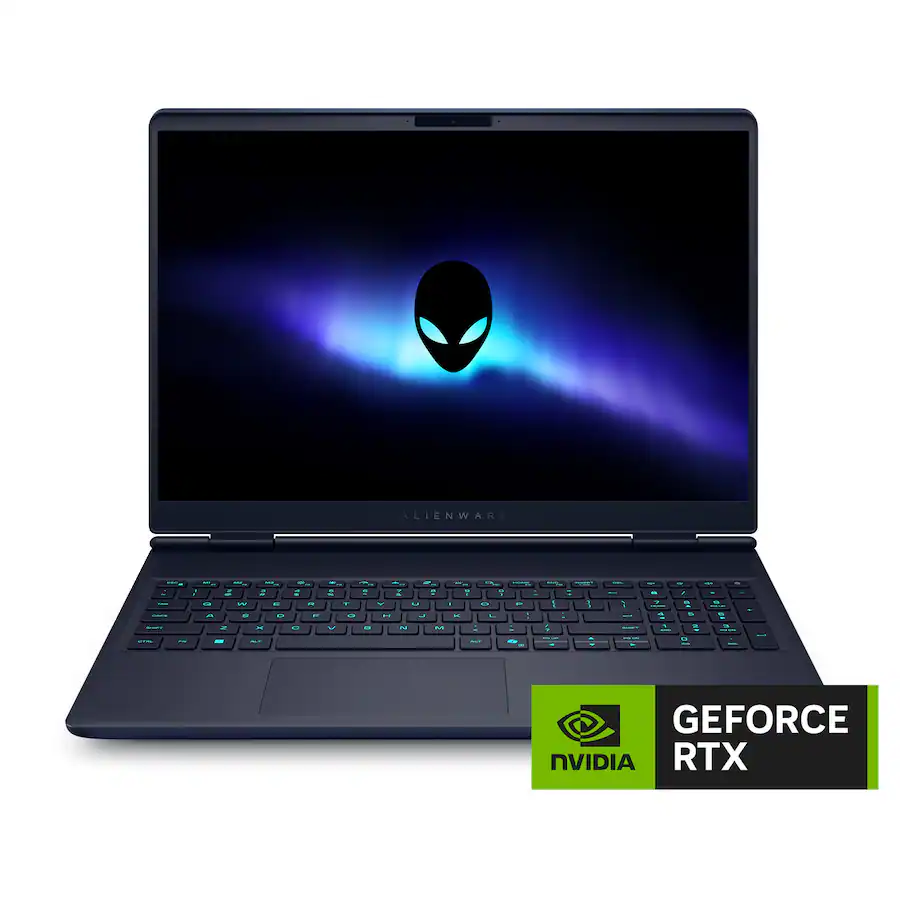
- Price reality: An RTX 5060, Core Ultra 9 configuration has been listed at $1,799.99 at a major US retailer.
- Design philosophy: Alienware leans premium and stylized. Legion leans understated and utilitarian, in the best way.
- Practical tradeoffs: Coverage of the 16X Aurora highlights strong performance but calls out weak battery life and underwhelming speakers, the kind of stuff you notice the moment you stop benchmarking and start living.
If you want a machine that feels like a showpiece, Alienware makes its case. If you want the safer everyday buy, Legion’s entire brand identity is basically built on not overcomplicating your life.
Sources and further reading
- Ultrabookreview: Legion 5i Gen 11 specs, April 2026 availability, and $1,499 starting point
- Notebookcheck: Legion 5i Gen 11 early availability and core configuration details
- Notebookcheck: Legion 5 RTX 5060 gaming benchmarks used for performance expectations
- Best Buy: Alienware 16X Aurora RTX 5060 listing for price context
- TechRadar: Alienware 16X Aurora review notes on battery and speakers
For editors and managers:
- What this is about: Lenovo Legion 5i Gen 11 is a midrange CES 2026 refresh that prioritizes OLED quality and practical RTX 5050 to RTX 5060 performance.
- Who it serves: Students, professionals, and everyday gamers who want one machine for work and play, without paying flagship premiums.
- Key claims: 15.3-inch 2560 by 1600 OLED at 165Hz, Intel Core Ultra 356H or 386H, RTX 5050 or RTX 5060 up to midrange power, US availability window referenced as April 2026, expected starting price around $1,499 with higher tiers moving into the $1,600 to $1,900 band.
- Performance framing: Uses published RTX 5060 Legion gaming results as a realistic proxy while Gen 11 review coverage expands.
About the Author


Chad Hughes is a Cross Disciplined tech Founder, most notably for Professor Soni Agentic AI and founding Veribeat Capital.