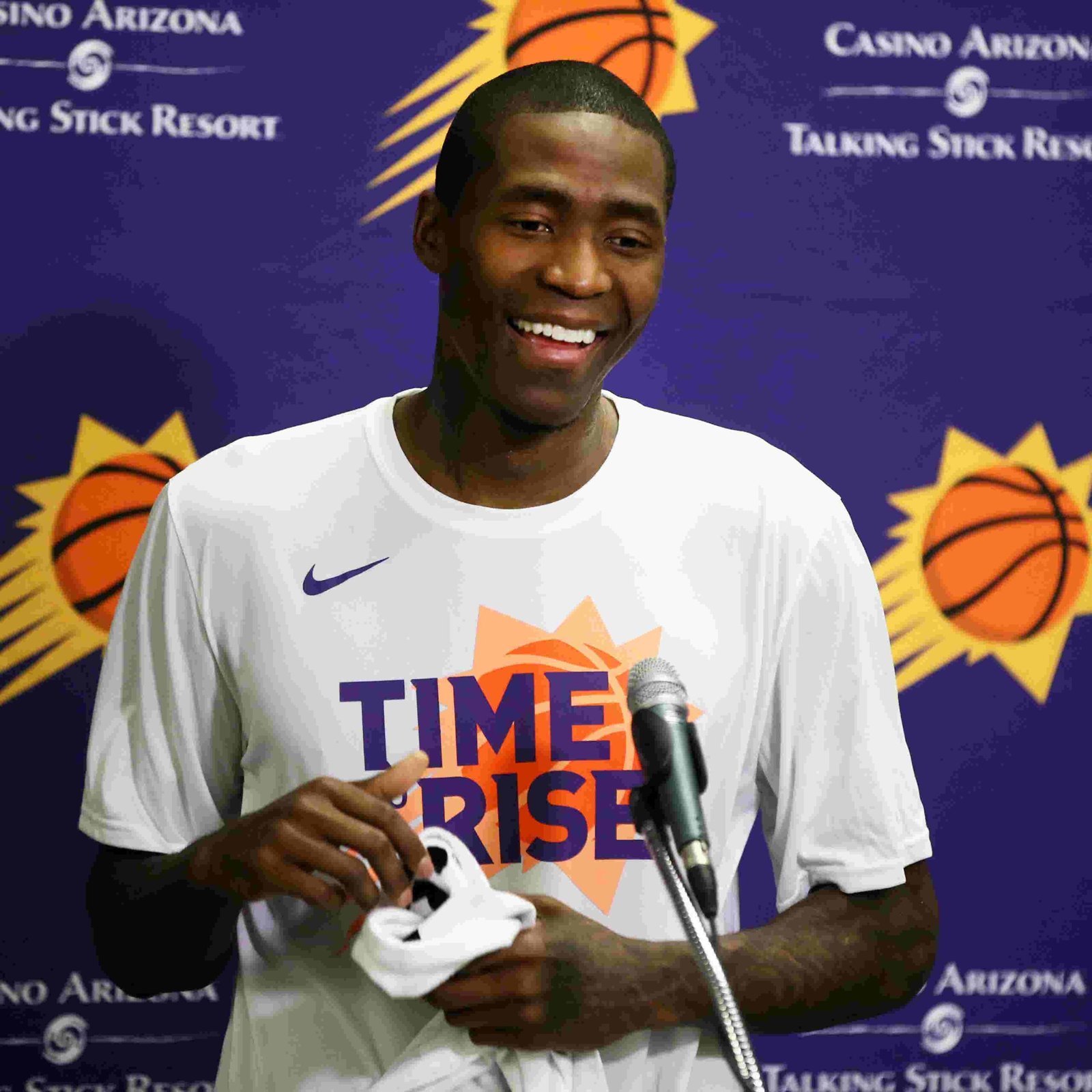
Jamal Crawford on Brandon Roy’s Hall of Fame nomination: “Nobody Could Speed Up His Game.” Courtesy of the Phoenix Suns YouTube Channel
When Jamal Crawford speaks about Brandon Roy, the tone is different.
It isn’t nostalgia. It isn’t an exaggeration. Its familiarity is shaped by years of proximity, respect, and shared history. So when Roy’s name appeared on the Basketball Hall of Fame ballot for the Class of 2026, Crawford’s reaction carried weight that extended beyond standard praise.
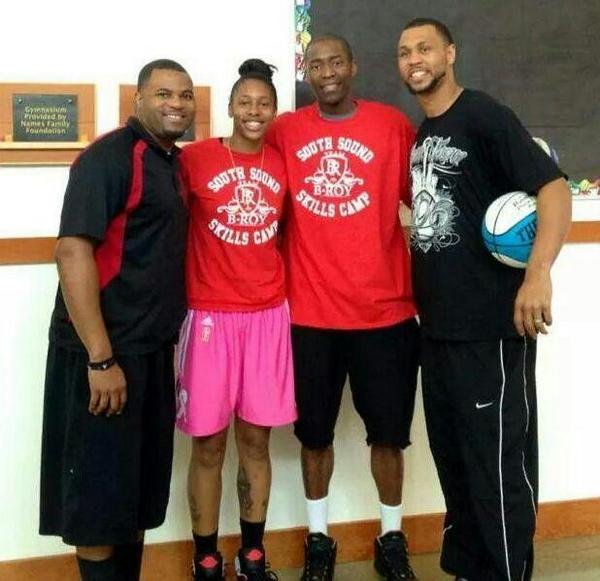
“I mean, nobody could speed up his game,” Crawford said, reacting to Roy’s nomination. “He was always, you know, thinking on the court, was always clutch, was always just a great player, and, you know, a great person knowing him since he was, you know, 15 years old to present day, watching his growth and evolution. He’s obviously a Portland legend, a Seattle legend, and people give him his respect and his flowers, and they’re so deserved. So to see him on the ballot was exciting. It’s just, it’s really, really cool.”
That assessment cuts to the core of Roy’s legacy.
At his peak, Roy was not defined by speed or explosiveness. He was defined by control. Games bent to his tempo. Defenses adjusted to his patience. Late possessions belonged to him not because he forced them, but because everything slowed when he had the ball.
For Crawford, who built a career mastering space, rhythm, and creativity, that quality stands out. Few guards could dictate the pace the way Roy did. Fewer still could do it consistently under pressure.
Roy’s career with the Portland Trail Blazers burned brightly, even if briefly. From 2006 through 2010, he emerged as one of the league’s most complete guards, earning multiple All-Star selections and All-NBA honors. His ability to score, facilitate, and lead made him the unquestioned focal point of a franchise rebuilding its identity.
But injuries intervened. Knee issues shortened Roy’s prime and ultimately forced his retirement earlier than anyone anticipated. That reality has always complicated Hall of Fame discussions around his career. The production was there. The dominance was undeniable. The longevity was not.
Crawford’s perspective reframes that debate.
Knowing Roy since his teenage years, Crawford watched not just the NBA version of Roy, but the growth that preceded it. That long view matters. It adds context to Roy’s achievements and underscores how rare his skill set truly was.
Roy wasn’t simply a product of opportunity or system. He was a thinker on the court. A closer. A player teammates trusted when the margin for error vanished.
Calling Roy both a Portland legend and a Seattle legend captures another layer of his significance. Born and raised in Seattle, Roy represented the city at a time when it no longer had an NBA team. His success became a source of pride for the region, bridging local roots with national recognition.
That dual identity strengthens his Hall of Fame case. Roy mattered not only to franchises, but to basketball communities.
Crawford’s reaction reflects a broader sentiment around the league. Former players, particularly guards, consistently speak about Roy with a reverence reserved for those who mastered the mental side of the game. Players who couldn’t be rushed. Players who owned moments.
The Hall of Fame conversation often leans heavily on accumulation. Total points. Seasons played. Awards stacked over time. Roy’s candidacy challenges voters to consider impact differently. Influence is not always measured in years.
Some players leave indelible marks in shorter spans. Their absence is felt as strongly as their presence once was.
For Jamal Crawford, seeing Brandon Roy’s name on the 2026 ballot isn’t about revisiting what might have been. It’s about acknowledging what was already enough.
Sometimes greatness doesn’t need a long runway. Sometimes it just needs recognition.
About the Author