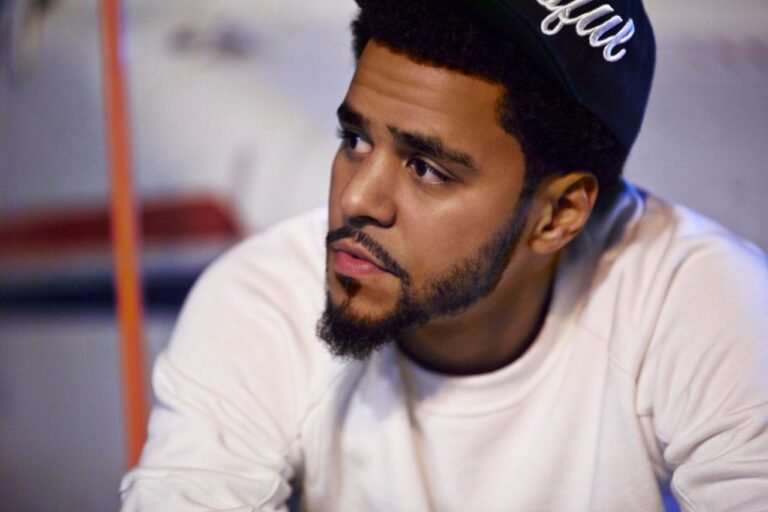
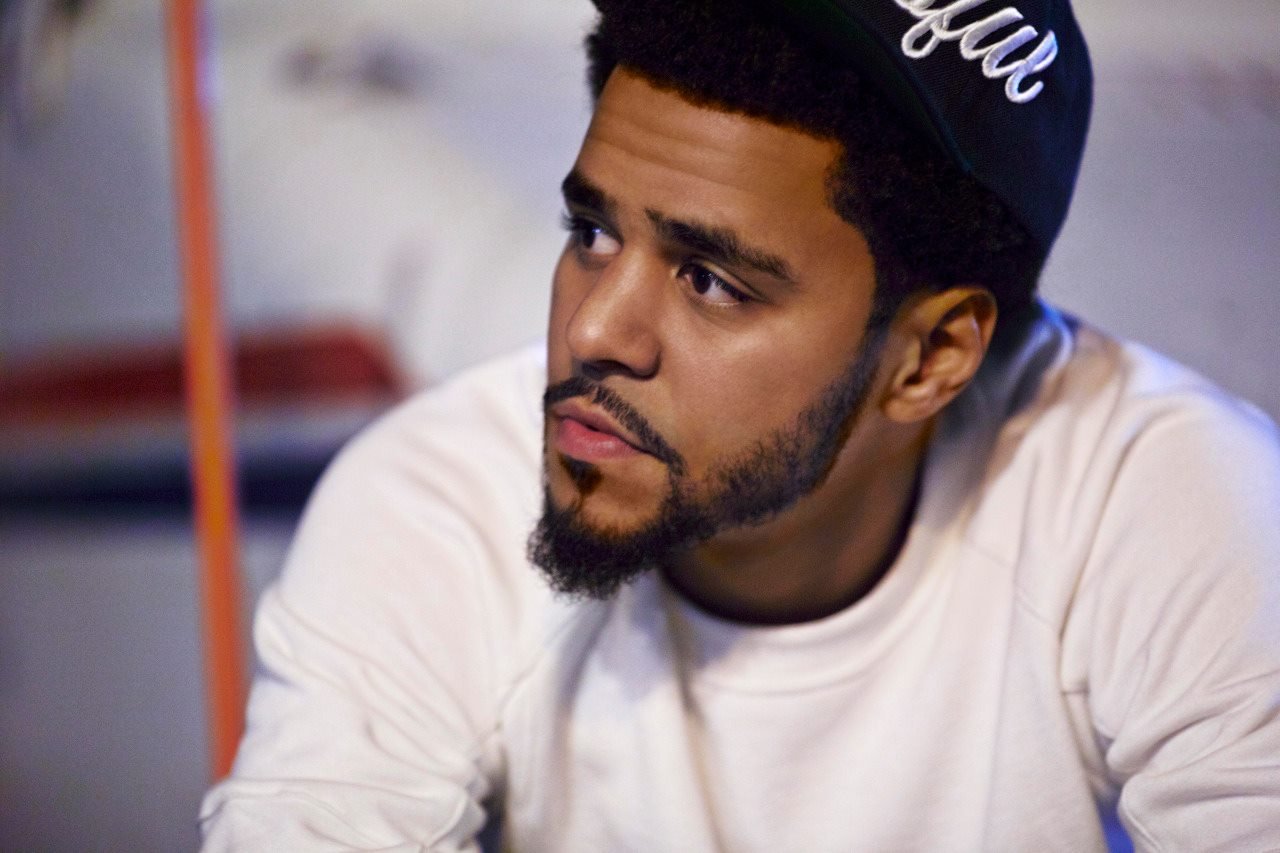
A hometown rap dispute fuels renewed debate over loyalty and clout in hip-hop. Courtesy of Facebook
“Poor Thang” is being heard as a record with a split mission. On one side, it plays like a personal diss toward an underground rapper tied to Fayetteville. On the other hand, it reads as Cole calling out the toxic mix of pride, violence, and tough-guy branding that keeps both the streets and the industry stuck.
That double meaning is why the song has stretched beyond pure battle talk. It is a warning wrapped in a taunt, inviting listeners to decide who the shoe fits.
Why 910 Space Keeps Getting Named
910 Space Responds To The “PUNK BITCH” Heat
“Straight up, the people created this situation. I was chilling. Everything I’ve done is dated on YouTube—you can go back and see it. I released what I released, and getting a response two years later, without my name being said, I don’t really take that seriously or assume it’s directed at me.
But since the people chose me, and Cole hasn’t said anything to say it wasn’t me, I’m running with the same narrative the people are right now. He hasn’t said anything to deny it,” Space shared with IdleMedia.Chat.
“That said, he didn’t say my name, and a lot of the details he mentioned don’t add up to me as an individual. I didn’t come from a two-parent household. I didn’t have trees in my front yard. I’m from the projects in Fayetteville, so that didn’t match. When he started talking about tattoos and other things that kind of sounded like, I didn’t even go to school with Cole. We never crossed paths in school.”
He added, “So I’m just running with the narrative the people created, and I’m standing on what I said. I don’t delete things—that’s not in my caliber. When it comes to my art, I stand on it.
We’ll see how Cole reacts. However he treats it, I’ll either meet the energy or come with a little higher voltage. But outside of that, I’m genuinely happy for Fayetteville. The city is getting real recognition for MCs and artists who take the craft seriously, and that’s very viable in the music scene right now. I think that helps Cole, and it’s doing what it’s doing for me, too.
At the end of the day, it’s all love when it comes to the art form.”
When asked if he would respond in musical form, 910 Space shared, “We’ll see how Cole reacts. However he treats it, I’ll either meet the energy or come with a little higher voltage. But outside of that, I’m genuinely happy for Fayetteville. The city is getting real recognition for MCs and artists who take the craft seriously, and that’s very viable in the music scene right now. I think that helps Cole, and it’s doing what it’s doing for me, too. At the end of the day, it’s all love when it comes to the art form.”
His posture is simple: if the public wants him in the storyline, he will stand in it until Cole closes the door.
J Pilot on The Track’s Memory Of The Early Days
J Pilot, a producer from Fayetteville, has painted the relationship era as real, personal, and time-stamped. His version of events centers on the deal moment and the shift that can happen when success turns local bonds into distant text threads.
“Man, really, this whole thing with Cole is old. He already addressed it—I’ll let him speak on that.
But when Cole got the deal, he called me. I was in Atlanta at the time, doing an internship with T.I. at Grand Hustle—shout out to that. They went to New York, and I went to Atlanta.
When everything with the deal was happening, he called me and said, ‘Yo, this is history, bro.’ He had just shot Who Dat, and he told me, ‘You’ve got to come home. You were part of this.’
I told him, ‘Bro, you’re calling me the day of, just a few hours before I have to go to work.’ And he said, ‘Nah, I’m not letting this happen unless you’re here.’
So I said, ‘Bet.’ My partner and I drove out there—we’ve got footage of it too, I can send it. My partner from Alabama, my man Chris, my man Slap—we drove six hours just to show love and connect with him. As the years go by, 910 Space is telling me Cole is trying to give him the run around, ‘I’ll body someone for you, I’ll ride for you,’ to something completely different.
I’m sitting there like, damn… for real? “You know how it is—But, It’s the music industry people switch up like a stoplight.”
J Pilot shared that he would have approached it differently, framing the big three conversation with Drake, J Cole, and Kendrick Lamar as a competitive battle.
“That’s the part where I say, keep it rap. He’s made that clear. We’re just in an era now where people do corny stuff—digging into someone’s past, trying to expose secrets instead of keeping it about the music. It turns into accusations and personal attacks instead of bars,” shared Pilot.
“That’s why I’m like, keep it rap. Keep it lyrical. Let it stay about the art. I can understand why Cole chose to bow out, but what I don’t respect is how he did it. It’s not a war—it’s rap. You didn’t have to go out like that.
You didn’t have to get on stage in front of your entire fan base, your label, everybody, and tear yourself down publicly. There were other ways to handle it, especially coming from the era you come from. I was rooting for Cole in the battle.
And he has been blunt about the skill gap he believes Cole could have created if he had chosen to stay in.
“I honestly feel like Cole could’ve run circles around both of them lyrically. You can argue about outcomes, but the issue was how he went out.
I got respect for Drake, willing to battle, while Kendrick was ready for a rap war.”
910 Space added, “As an artist, I grew up as a battle rapper—that was my first love in hip-hop. Everything I built in music came from battle rap. That’s what carried me to where I am now. Those battle-rapper skills are what put me in the situation to get Cole into Jay-Z’s studio at that time.
Because of that, I believe that as a battle rapper, you don’t bow out of a battle for no reason. You can make peace with someone later, but as MCs—if you truly call yourself an MC or a rapper—you have to stand in the line of fire. You have to defend your crown.
This is a sport. No one enters a sport saying they won’t give their best or won’t face the competition. If you’re called out, you step up and handle it. That’s the responsibility.
So I felt that what he did was weak. I don’t respect it, and I find it contradictory given how this situation is playing out.”
IdleMedia.Chat or Idle Chatter also reached out to Fayetteville-based hip-hop media outlet BigCas910 TV after several national outlets began reporting that the song was about 910 Space. When contacted for a response, 910 Space stated that he did not believe the song was about you.
BigCas910 TV informed IdleMedia.chat that they had spoken with Nervous Reck (J. Cole’s mentor and CEO of The Sheltuh) to ask if he could confirm whether the song was about 910 Space, but he declined to comment.
This is the same outlet that released an interview with Nervous Reck approximately ten months prior, as well as an interview with Bomm Sheltuh just months before Filthee’s death.
The Bigger Point Inside “Poor Thang”
Even as listeners debate a direct target, the song’s wider message keeps landing. “Poor Thang” can be read as Cole talking to a younger version of himself and to the kind of jealous hometown “young pup” he grew up around. In that framing, the phrase is more pity than disrespect.
Some listeners also hear the record as a shot at an industry type, a mogul posture that sells intimidation as identity. Whether or not any single celebrity is in the crosshairs, the critique is consistent: power performed as toughness leaves more pain than love.
Where The Conversation Lives Online
Theories and clips have circulated widely, including this Facebook post:
A rumor-focused explainer that has been shared widely is here:
And the open thread where listeners traded first reactions and theories is here:
About the Author


Landon Buford is an accomplished sports and entertainment journalist based in Richardson, Texas, with over a decade of experience covering the NBA, WNBA, NFL, WWE, MLB, and the entertainment industry. Known for delivering high-impact stories and headline-making interviews, Buford has earned a global audience through content that blends insider access with compelling storytelling.
He previously served as director of editorial and brand communications at PlayersTV, where he helped shape the platform’s editorial voice and brand identity. He is also the founder and editor-in-chief of LandonBuford.com—an independent outlet with more than 1.6 million views and syndication from major platforms including Bleacher Report, Sports Illustrated and Yahoo Sports. Buford’s interviews with stars like Gary Payton, Kevin Durant, Mark Cuban and Chris Paul showcase his talent for meaningful, in-depth conversations.
His bylines have appeared in Sports Illustrated, Forbes, Heavy.com, Meta’s Bulletin and One37pm, where he has contributed exclusive interviews, breaking news and cultural insights. At Heavy.com, his work drew more than a million views in just eight months, and at One37pm, it contributed to record-breaking traffic numbers.
His work highlights the intersection of sports, fashion, music, and entrepreneurship—showcasing how athletes and entertainers use their platforms to inspire change, influence trends, and shape culture beyond the game. Landon has interviewed a wide range of figures from the NBA, NFL, and entertainment industries, consistently bringing authentic voices and untold stories to the forefront.
In addition to his journalism, Buford is an entrepreneur and content creator, dedicated to amplifying diverse narratives and driving meaningful conversations across media platforms. His passion for storytelling, culture, and innovation continues to make him a respected voice in the evolving landscape of sports and entertainment media.