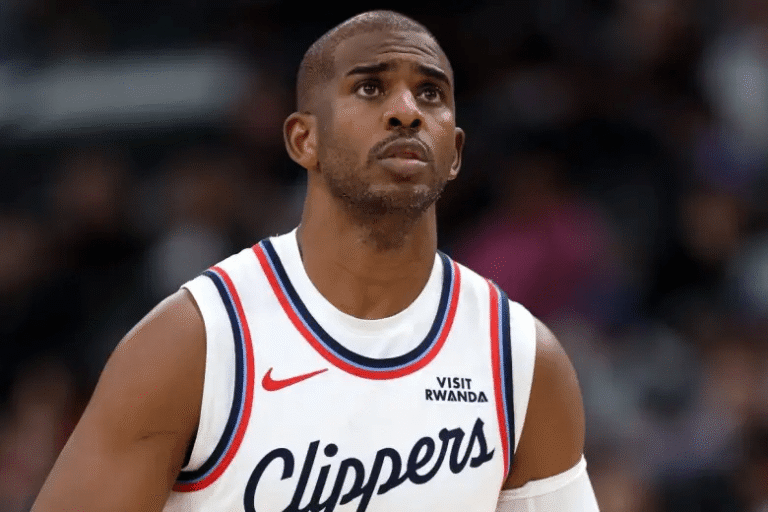
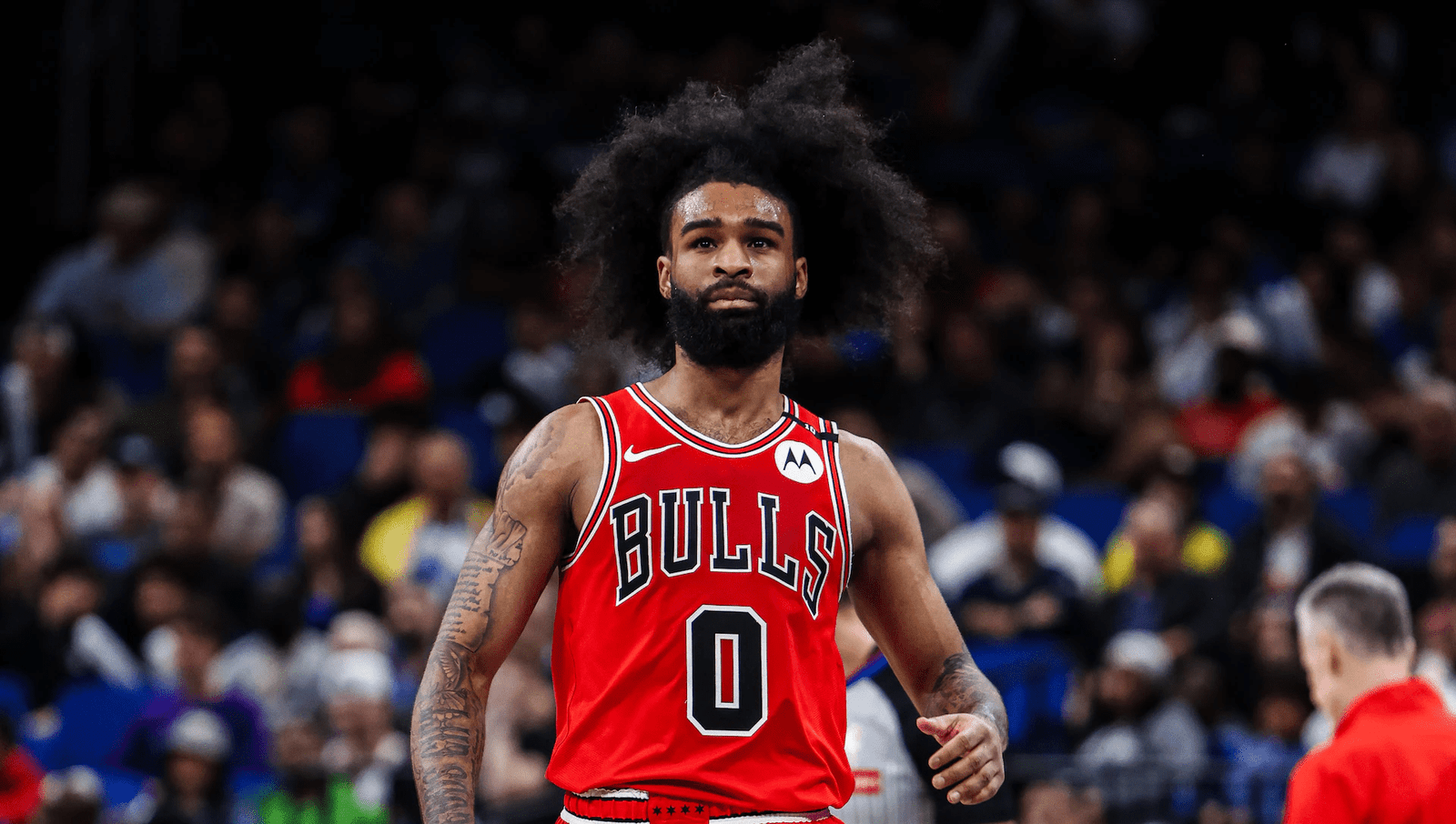
Coby White’s tenure in Chicago ends as the Bulls trade the longtime guard to the Hornets ahead of the 2026 deadline. Courtesy of Chicago Bulls
The Chicago Bulls made headlines in the Eastern Conference before the 2026 trade deadline by making a trade with the Charlotte Hornets that included several players and draft picks, sending longtime guard Coby White to Charlotte.
This move shows that Chicago is focusing on greater flexibility and attracting younger talent, while Charlotte is going all in to make the most of the LaMelo Ball era right now. Below is a full breakdown of the trade and its implications for both teams.
Trade Package Breakdown
The deal’s framework is simple but important for each franchise’s direction.
Hornets receive:
Coby White and Mike Conley Jr.
Bulls receive:
Collin Sexton, Ousmane Dieng, and three second-round draft picks
Charlotte brings in scoring punch and veteran stability right away, while Chicago acquires a younger scoring guard, a developmental forward, and additional draft capital to support its ongoing retooling.
Why the Bulls Moved On From Coby White
Letting Coby White go is both a planned and emotional choice. White, who was picked seventh in 2019 and was the longest-serving Bull, grew from an up-and-down scorer off the bench to a key player who handled the ball a lot. He became a dependable outside shooter for Chicago after signing a three-year, $36 million contract in 2023, and he could take over the offense for stretches. But timing is important.
The Bulls faced a common problem: paying a lot for a guard just as he was entering his prime, since White was about to need a new contract that would likely cost much more.
Turning that value into players or picks that fit a longer rebuild is one way to go. Chicago’s front office clearly chose this path after trading Nikola Vučević and other older players. They decided to get something for White now rather than risk losing his value or spending much more later, focusing on saving money and staying flexible.
What Chicago Gets in Return
Collin Sexton gives the Bulls a guard who can play right away and fits with their younger players. While his shooting when he does not have the ball is different, he drives to the basket, attacks the rim often, and scores reliably. For a team still figuring out who they are, Sexton can handle a lot of the offense without locking the team into a big contract for years. Ousmane Dieng shows promise for the future.
Although Dieng is still learning, he has good height, long arms, and shows he could become a good passer, which Chicago can take time to develop. While the team is rebuilding, giving players time on the court and trying new things is more important than winning right away. The three second-round picks are not the main part of the deal, but they give the Bulls more options for future trades, picking players to develop later, or making bigger moves. Having more choices and flexibility is important when changing the team’s player group.
Charlotte’s Bet on Offense and Experience
This move is a clear win-now move for the Hornets, from their perspective. Pairing Coby White with LaMelo Ball instantly enhances the backcourt’s scoring versatility. Ball’s creative talent is complemented by White’s ability to play on or off the ball, while his shooting helps clear driving lanes for both LaMelo and Miles Bridges.
Mike Conley Jr. While he may be in the midst of his career, his value to Charlotte goes beyond the box scores. For a young team that has frequently had trouble with late-game execution, he provides structure, professionalism, and steady decision-making. Those details can affect the balance of the games in playoff races. Together, White and Conley give head coach Steve Clifford (or his successor) lineup flexibility: speed and scoring with White, composure and control with Conley, and the option to stagger LaMelo’s minutes without the offense completely falling apart.
How the Trade Shifts Each Team’s Trajectory
This deal shows that Chicago is focused on flexibility rather than quick wins. While the Bulls might score less right away, they get more room in their budget and chances to help their players grow, which they have not had much of in recent years. For Charlotte, this trade gives them a better chance to win.
Even though the Hornets are not likely to win the championship right now, they become a tougher team to face in the Eastern Conference playoffs. If White keeps scoring well and Conley helps steady the backup players, Charlotte’s offense will be harder for other teams to stop.
In the end, this trade shows what each team wants: Chicago is willing to wait and build up their assets, while Charlotte wants more scoring and experience. The main question is whether the Bulls’ new lineup and plan without their longest-serving player or the Hornets’ higher potential will matter more.
About the Author