A game can be competent and still lose the week. Highguard is learning that lesson in public.
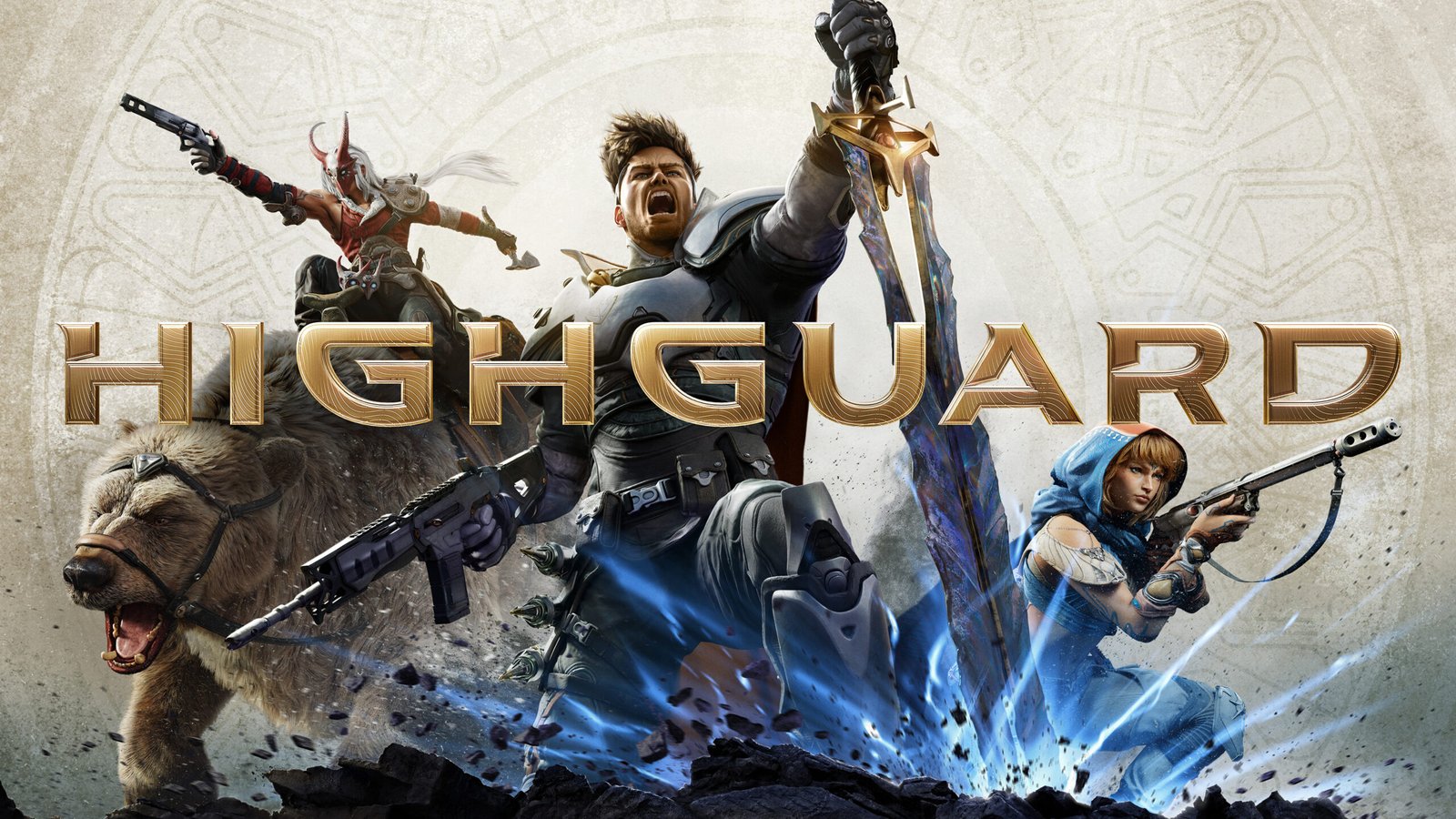
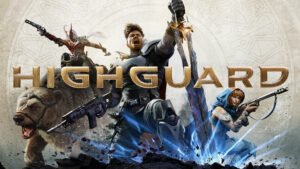
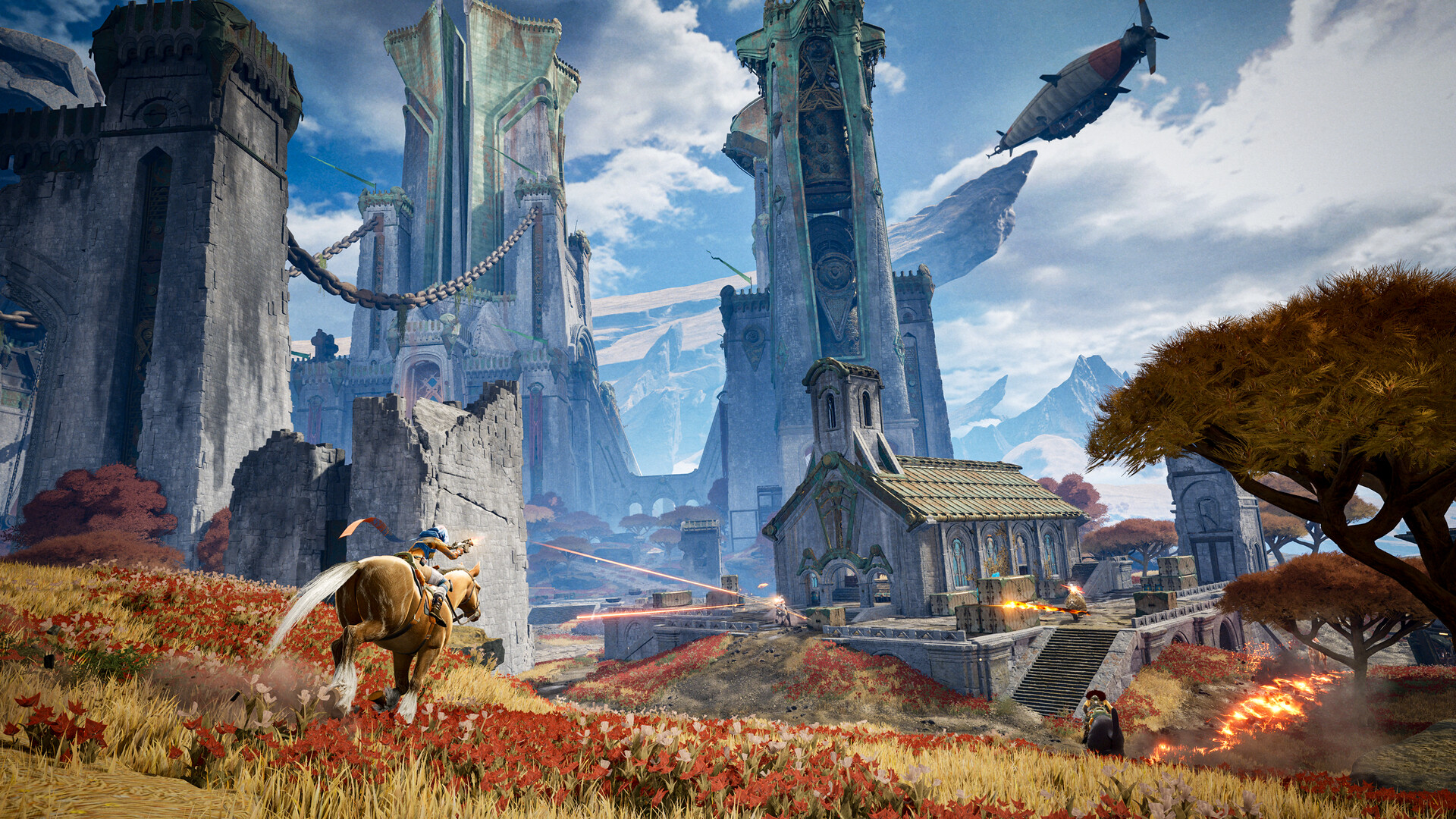
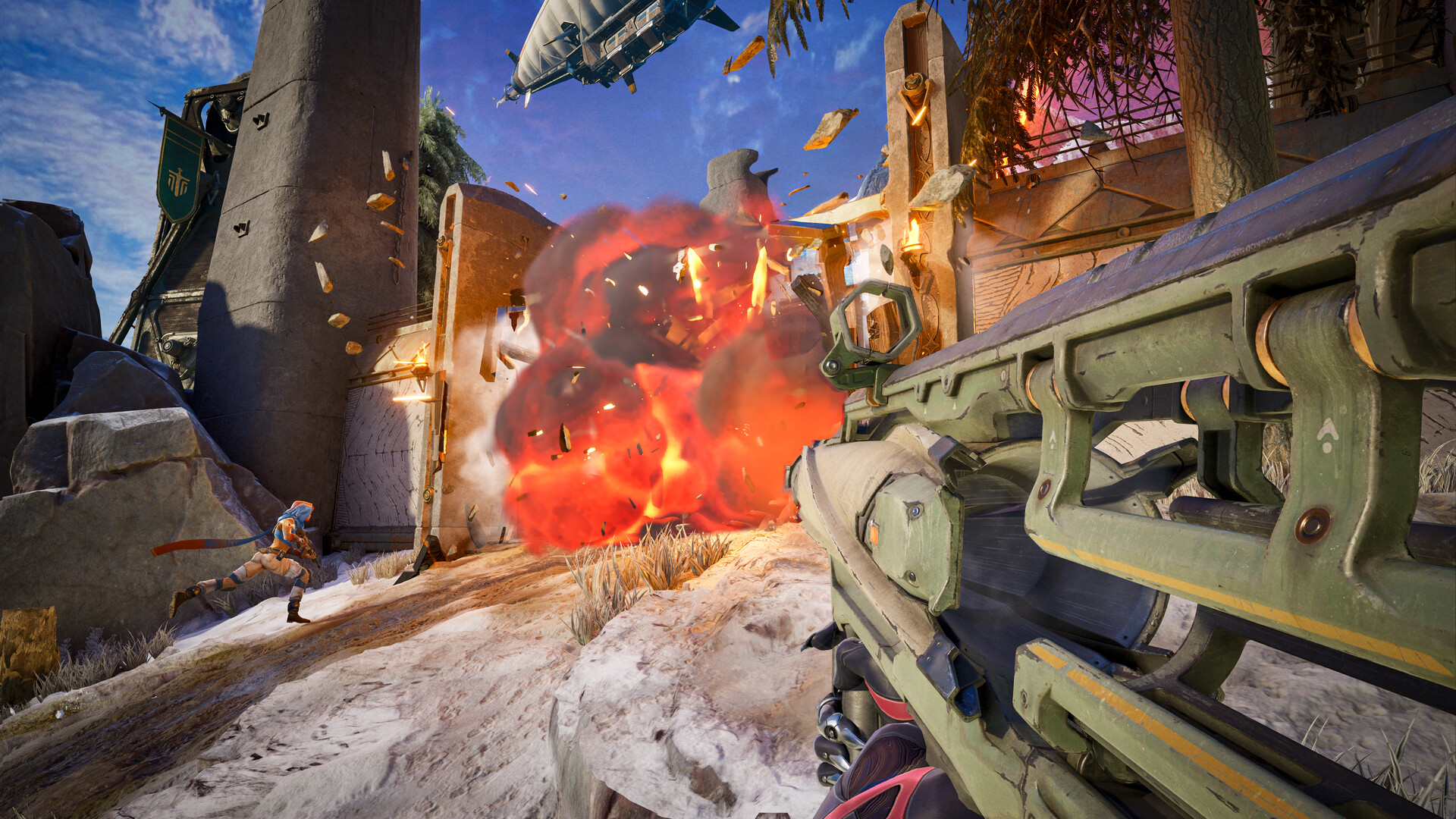
On paper, it’s an attractive pitch: a fantasy PvP raid shooter built around Wardens, arcane gunslingers who ride out, loot up, and attempt to extract with their pride intact. It launched on Steam on January 26, 2026, and it immediately pulled serious attention. Then it met the modern launch gauntlet: rough stability, queues, performance complaints, and an early review pile-on that hardened into the only story some people will ever hear.
What’s actually happening: big interest, harsh first impressions
Highguard’s opening numbers were not quiet. SteamDB tracked an all-time peak of roughly 97,000 concurrent players on launch day. That’s the kind of turnout studios dream about, because it means curiosity is real and the hook reached outside the usual corners.
The problem is that the first impression players received was not “this is special.” It was friction. Reviews landed hard early, and multiple outlets noted a pattern that has become painfully familiar: a large day-one wave paired with complaints about stability, performance, and getting into matches. Once that happens, the criticism stops being just feedback and becomes entertainment. The dunking becomes the product. And the game’s identity gets replaced by its worst 24 hours.
Why the reception is so brutal
This is not just “people being mean online,” though the internet does treat cruelty as a hobby. Highguard’s early reception is harsh because several pressure points stacked on top of each other at the exact wrong time.
1) The genre is crowded, and patience is gone
Highguard is landing in the busiest intersection in modern multiplayer: squad-based PvP, hero selection, and raid or extraction tension. That lane can absolutely work, but it’s also where players arrive with exhausted skepticism. They have already tried three versions of “this will be your new main game” this year alone.
So when Highguard asks for trust, it’s starting from a deficit. It has to earn credibility immediately, because it’s not competing with “other shooters.” It’s competing with whatever your group already plays every night, plus the backlog you’re ignoring.
2) The onboarding is unforgiving when stability is shaky
A raid shooter loop is inherently more complex than a clean team deathmatch. The early minutes matter: understanding Wardens, map flow, timing, extraction risk, and what “good” decisions look like under pressure. If your first sessions are interrupted by crashes, stutter, or long waits, most players do not come back later for the improved version. They move on, and they tell everyone the game “doesn’t work.”
That may not be the whole truth a week later. But it becomes the story.
3) PC access friction is part of the narrative
Highguard also stepped into a different kind of controversy: PC requirements tied to anti-cheat. The Steam listing notes Secure Boot and TPM 2.0 requirements, alongside Easy Anti-Cheat language, which sparked backlash among players on unsupported setups and certain platforms. Even if your system is fine, debates like that become an accelerant: the launch conversation shifts from “is it fun” to “why is it doing this.”
That is not a moral judgment. It’s a practical observation. When your first week is already turbulent, you do not want an additional barrier becoming the headline.
4) Review spirals are now a launch mechanic
One of the most damning things about the modern ecosystem is how fast a consensus can form before most people have played enough to judge the full loop. Some coverage has pointed out that when filtering Steam reviews by players with more time logged, sentiment improves significantly. That doesn’t erase legitimate complaints. It does suggest the early pile-on was driven by a mix of technical frustration, meme momentum, and a low tolerance for yet another live multiplayer ask.
So why bring Titanfall into this at all
Because Titanfall didn’t just launch a shooter. It launched an identity.
When Titanfall and Titanfall 2 clicked, they delivered something instantly readable and deeply learnable: pilot movement that rewarded creativity and speed, and Titans that changed the scale and rhythm of fights without turning matches into slow slogs. Even people who weren’t experts could feel what the game wanted from them within minutes.
And Titanfall 2 had another weapon that Highguard does not: a genuinely acclaimed single-player campaign that showcased imagination and pacing. Levels like “Effect and Cause” became shorthand for “this studio knows how to build moments,” not just systems. That campaign wasn’t optional marketing garnish. It was proof of craft.
Highguard, by contrast, is trying to win on a format that demands long-term commitment while launching into a player base that now treats early instability as betrayal. That’s why it’s being received so terribly: it’s asking for time and trust in the one season where players refuse to donate either.
The specific contrast: what Titanfall brought that Highguard hasn’t delivered yet
- Immediate clarity: Titanfall’s promise was obvious the moment you wall-ran, chained movement, and called in a Titan. Highguard’s loop takes longer to reveal itself, which is a problem when early sessions are rough.
- Mechanical joy even while losing: Titanfall’s movement made losing entertaining because movement itself was rewarding. Highguard’s fun is more conditional on match quality and stability.
- Confidence in polish: Titanfall 2’s campaign, in particular, communicated attention to pacing and player experience. Highguard is currently communicating “please wait for patches,” which is not a slogan that inspires devotion.
- A less cynical era of expectations: Titanfall launched before the current wave of “launch now, fix later” fatigue fully metastasized. Highguard is launching after it, and players are responding accordingly.
Can Highguard recover
Yes, but it has to do the hardest thing in multiplayer: rebuild trust while the internet keeps replaying the worst clips.
Wildlight has talked about episodic post-launch content designed to avoid making the game feel like a second job. That could help retention and give the game a cleaner rhythm. But content does not solve week-one credibility. Stability does. Match flow does. Queue time does. And the studio needs to make it easy for the average player to reach the “oh, I get it now” moment quickly and reliably.
Highguard isn’t doomed because it’s fantasy, or because it’s free-to-play, or because it dared to exist in 2026. It’s struggling because the first experience too often fails to deliver what the trailer implied: a confident, fast, readable shooter with a fresh twist.
Titanfall earned love because it felt like a studio delivering a clear point of view with rare mechanical elegance. Highguard can still earn respect, but it will require something far less glamorous than a roadmap: a first week that stops fighting the player.
Sources
- Highguard on Steam
- SteamDB: Highguard concurrent player charts
- GamesRadar: review filtering and early reception context
- GamesRadar: episodic post-launch plans
- PC Gamer: Secure Boot, TPM 2.0, and anti-cheat requirement backlash
- Epic Games Store: why Titanfall 2’s campaign design stands out
- “Effect and Cause” level background (Titanfall 2)
For editors:
- Angle: Launch reception analysis. Highguard’s early friction versus Titanfall’s clear identity and craft.
- Reader promise: Explains why reviews are harsh, why the comparison to Titanfall is unavoidable, and what fixes actually matter.
- Optional follow-up: Revisit after the first major stability patch and compare retention and sentiment shifts over two weeks.
About the Author


Chad Hughes is a Cross Disciplined tech Founder, most notably for Professor Soni Agentic AI and founding Veribeat Capital.