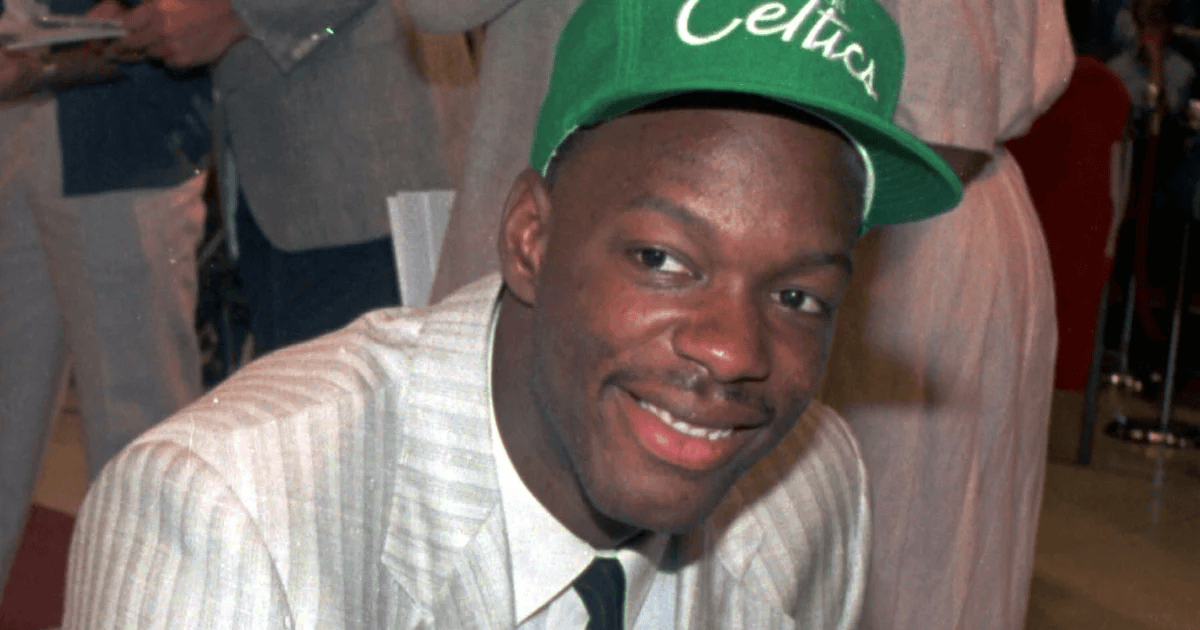
John Salley shares candid stories about discipline, Len Bias, and wellness during his appearance on Tea Time with Raven and Miranda. Courtesy of the Boston Celtics
John Salley isn’t afraid to speak his mind, whether it’s funny, awkward, or thoughtful. On Tea Time with Raven and Miranda, the four-time NBA champion gave one of his most open and entertaining interviews.
He discussed topics like drug testing in the NBA, Len Bias’ tragic death, wellness, marijuana, and how athletes protect their legacies. The conversation was more than just jokes—it was a thoughtful look at discipline, trauma, and how a single moment can shape a career.
“I Should’ve Sold My Pee”: NBA Drug Testing and Discipline
Salley began the conversation with humor, recounting his experiences with NBA drug testing during an era when the league was tightening its rules.
“I should’ve sold my pee,” Salley joked. “My pee had iron, B12. They were like, ‘Jesus Christ, this color yellow.’”
Even though people laughed, the comment showed how serious Salley was. She was proud of staying clean. As more athletes started using drugs, Salley thought self-control was more important than any sponsorship or shortcut.
For him, failing a drug test was not just about facing punishment. It was about who he was.
The Len Bias Moment That Changed Everything
During the interview, Salley’s recollection of being drafted in 1986 and sitting next to Len Bias was one of the most powerful moments.
“Part of the reason I didn’t do drugs is I was drafted in 1986, and I was sitting next to Len Bias,” Salley said. “And the next day, Len Bias is the one who snorted cocaine the night of our draft and died.”
The death of Bias shook sports and American culture, ultimately fueling the Reagan-era War on Drugs. It was personal for Salley, not just a headline.
“That moment locked it in for me,” he explained. “There was never going to be cocaine in my system.”
The tragedy became a permanent checkpoint in Salley’s life, reinforcing the idea that everything he worked for could disappear in an instant.
Protecting the Legacy You Work For
Salley made it clear that avoiding drugs was not about fear; it was about valuing the work he put in.
“I never wanted to work this hard to get to a point where the only thing you would know me as is something that didn’t have to do with what I worked hard for,” he said.
Salley’s message matters today because people often focus on athletes’ scandals rather than on what they achieve. He deserves to be remembered for his championships, leadership, and long career, not for rumors or supposed flaws.
He kept this outlook during his whole career, beginning with the Detroit Pistons’ ‘Bad Boys’ years and later winning titles with the Chicago Bulls and Los Angeles Lakers.
A Surprising Lakers Moment With Weed
Despite being disciplined, Salley didn’t come across as rigid or judgmental. Instead, he shared a surprising and amusing reminiscence from his time with the Lakers.
“I was on the Lakers, and I was investigating,” Salley recalled. “And she’s smoking weed, and she hands it to me. I don’t smoke weed.”
Eventually, curiosity won.
“So I take a hit,” he said. “And then all of a sudden I start doing yoga poses.”
The aftermath was not chaos, but rather clarity.
“My back is not hurting, and I’m doing like this,” Salley laughed. “I’m like, ‘Wow, the balance I have on this.’”
Why Salley Believes It Should Be Legal
The experience changed Salley’s perspective on marijuana, particularly when it comes to wellness.
“She’s like, ‘That’s right,’” Salley recalled. “‘Because this should be legal right here in front of the governor’s mansion.”
The moment wasn’t about rebellion for Salley. The focus was on relief, healing, and understanding that not all substances are the same, particularly given the dangers he had observed earlier in his career.
The shift in his stance is a result of a larger shift among former athletes who now favor cannabis as a substitute for pain management, recovery, and mental wellness.
A Conversation That Blended Humor and Truth
Salley’s time on Tea Time with Raven and Miranda worked well because he mixed humor with real-life stories. Instead of scripted lines, he shared honest reminders that a single choice, night, or tragedy can change everything.
John Salley usually tried to make people laugh before getting them to think.
This might be the part of his legacy that lasts the longest.