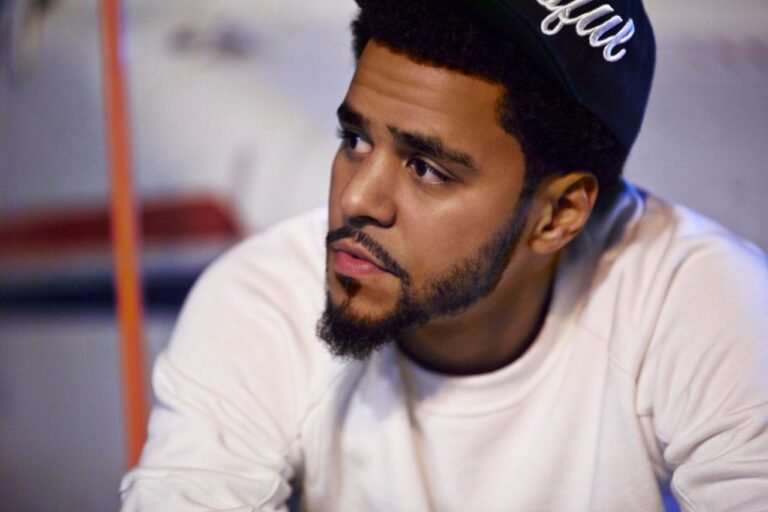
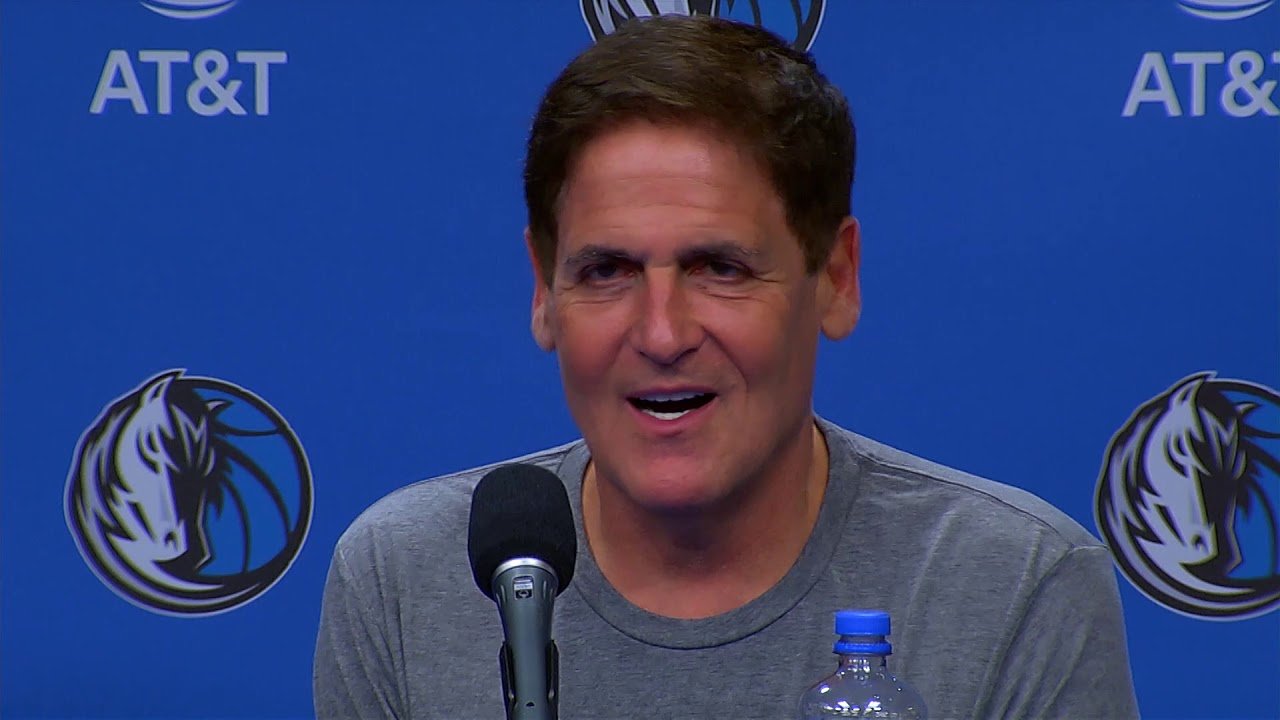
Entrepreneur Mark Cuban says artificial intelligence could create the world’s first trillionaire, potentially from an unexpected and unknown innovator. Courtesy of Dallas Mavericks
Entrepreneur Mark Cuban knows what a true technology inflection point looks like. In the late 1990s, Cuban, alongside Todd Wagner and Cameron Christopher Jaeb, co-founded Broadcast.com, one of the earliest companies to bring internet radio and streaming media to the masses. When Yahoo acquired the company in 1999 for roughly $5.7 billion in stock, the deal helped define the dot-com boom and turned Cuban into a billionaire, capital that later enabled his purchase of the Dallas Mavericks.
Now, Cuban believes the world is standing at an even bigger turning point.
A Familiar Pattern, A Bigger Shift
Cuban’s central argument is simple but bold: artificial intelligence is not just another product feature or efficiency tool. It is a platform shift on the scale of — and potentially larger than — the rise of the internet itself. In his interview with Business Insider, Cuban has said AI could ultimately create the world’s first trillionaire.
Crucially, he doesn’t think that fortune will come from an existing tech empire.
According to Cuban, the breakthrough may come from “somebody who masters AI and all its derivatives and applies it in ways we never thought of.” In newer interviews, he has gone further, suggesting it could be “just one dude in a basement” who unlocks a radically new application of the technology.
The message is a direct challenge to the assumption that companies led by figures like Elon Musk or Jeff Bezos are guaranteed to dominate the next era.
Why This Matters Now
Cuban’s comments land at a moment when AI tools are rapidly moving from novelty to infrastructure. Generative AI models are already being used in writing, coding, design, customer service, and research, with adoption accelerating across industries. Yet Cuban argues that today’s most visible use cases are still surface-level.
The real value, he suggests, will come from builders who rethink entire workflows, markets, or creative processes — not from incremental improvements layered onto existing systems.
This mirrors the early years of the internet, when the biggest winners were not always the most obvious players. Broadcast.com itself was an example: a relatively small startup that identified how streaming could reshape media before the idea became mainstream.
AI and the Creative Economy
In contrast to fears that AI will replace creative professionals, Cuban has increasingly framed the technology as a multiplier rather than a threat. He has said creatives should “love AI” for its ability to enhance creative output, speed experimentation, and unlock ideas that might otherwise never reach execution.
Creators should LOVE Ai. AI doesn’t make uncreative people creative. It allows creators to become exponentially more creative.
Creative iteration that used to take hours , days or weeks, can happen in minutes.
The different routes you wanted to take but didn’t have the… https://t.co/PI1eixyArU
— Mark Cuban (@mcuban) December 14, 2025
For writers, designers, filmmakers, and musicians, Cuban sees AI as a tool that lowers barriers — allowing individuals or small teams to compete with larger organizations. That dynamic, he argues, is precisely why the next generational winner may not come from Silicon Valley’s biggest boardrooms.
The Stakes for Founders and Builders
If Cuban is right, the implications are significant. AI’s upside is not limited to efficiency gains or cost savings; it could reshape who gets to build, distribute, and profit at scale. The stakes are especially high for early-stage founders willing to take risks before markets fully form.
His warning is implicit but clear: waiting for clarity may mean missing the moment entirely.
Looking Ahead
Cuban isn’t predicting exactly who will crack AI’s most transformative use — only that history suggests it won’t look obvious in hindsight. Just as the internet created fortunes few predicted in advance, AI may reward the builder who sees past today’s hype and finds a use no one else is chasing yet.
If that happens, Cuban believes, the first trillionaire won’t come from a familiar name — but from someone bold enough to build early and differently.
About the Author