



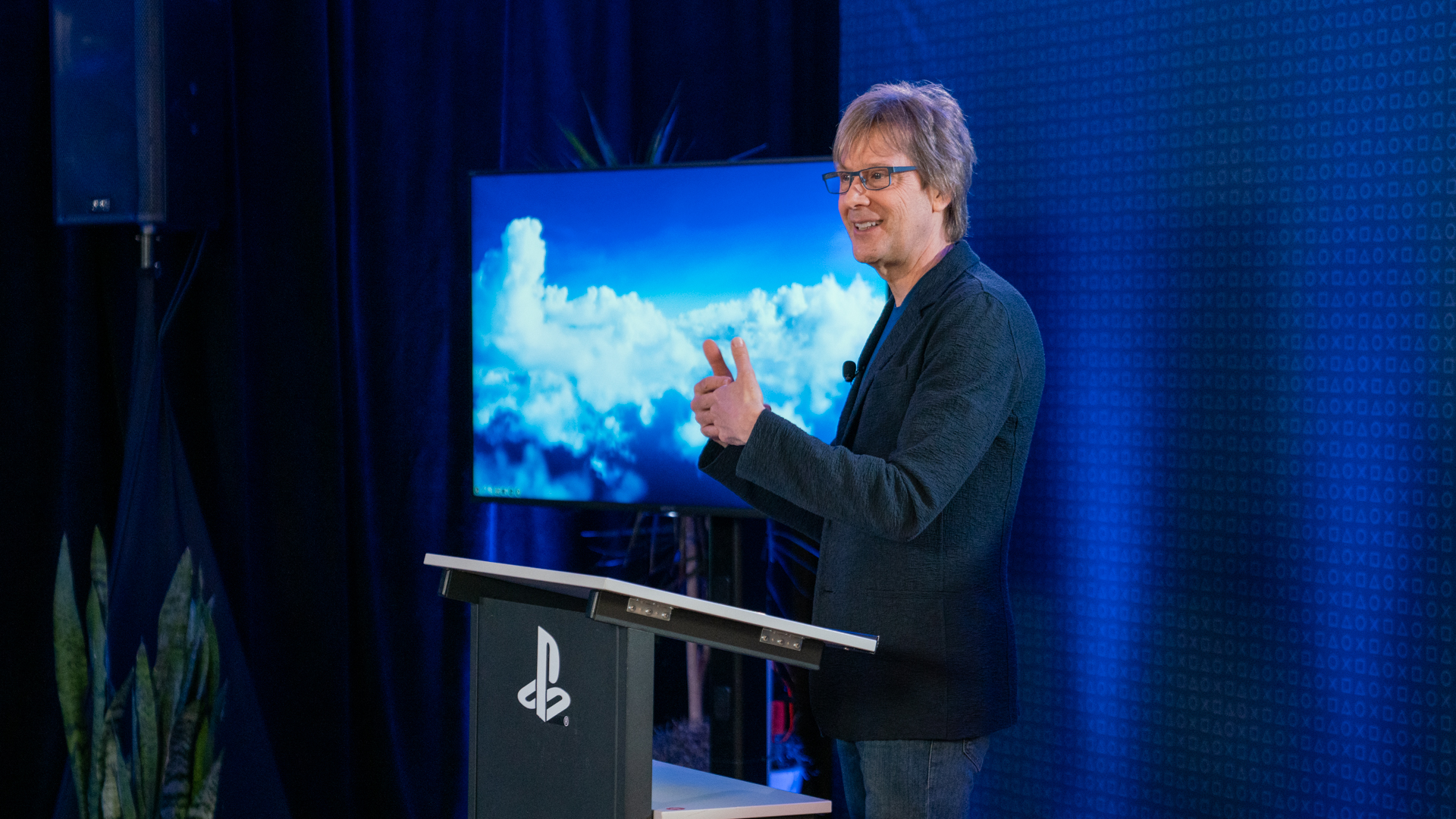
When Mark Cerny appeared on screen for the technical presentation of the PlayStation 5 Pro, the atmosphere was clinical, precise, and deeply detached from the economic reality of the average consumer. For nine minutes, the lead architect of the PlayStation lineage spoke about “fidelity modes” and “performance modes” with the calm demeanor of a university lecturer. Then, the price tag dropped: $699.99. And that is before you purchase the vertical stand ($29.99) or the disc drive ($79.99), neither of which are included in the box. The reaction was immediate and visceral. But beneath the sticker shock lies a more complex, troubling question about the future of console hardware: have we finally hit the wall of diminishing returns?
The PS5 Pro isn’t asking if you want better graphics.
It’s asking how much you’re willing to pay for improvements you might not notice unless you go looking for them.
To understand the PS5 Pro, you have to understand the problem it is trying to solve. The leap from the PS4 to the PS4 Pro was easily quantifiable. It was the jump from fuzzy 1080p to a checkerboarded 4K. It was a difference you could see from across the living room. The jump from the base PS5 to the Pro is far more subtle. It is the difference between a puddle reflection looking slightly grainy versus looking perfectly sharp. It is the removal of shimmering artifacts on distant foliage. These are improvements that only the “pixel peepers”—the enthusiasts who watch Digital Foundry breakdowns at 0.5x speed—will actively notice during gameplay.
This is the era of microscopic upgrades at macroscopic prices.
And Sony is betting that enough people care about that microscopic difference to turn it into a premium tier.
The headline feature is not the larger GPU, which boasts 67% more compute units, but rather PSSR (PlayStation Spectral Super Resolution). This is Sony’s proprietary answer to Nvidia’s DLSS (Deep Learning Super Sampling). In layman’s terms, it uses machine learning to upscale a lower-resolution image into a crisp 4K picture. This allows the console to run games at higher frame rates without sacrificing image quality. It is a brilliant piece of software engineering that fundamentally changes how games are rendered. However, marketing an AI upscaler to a mass audience is a nightmare. You cannot put “Better AI Upscaling” on a billboard and expect it to move units like “4K Graphics” did in 2016.
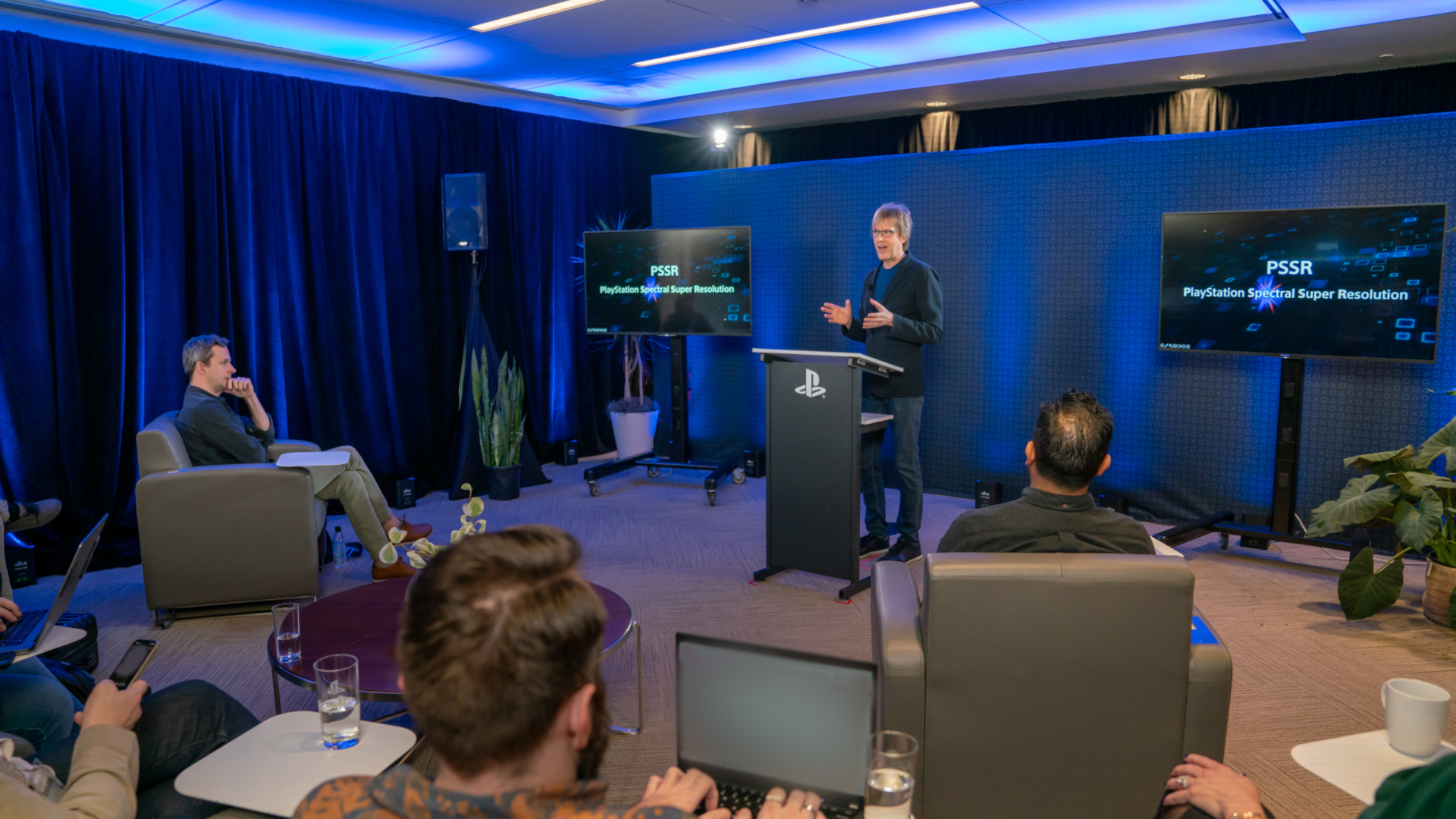
PSSR is a solution to the performance/fidelity tug-of-war.
It’s also an admission that native 4K is no longer the point—reconstruction is.

There is also the elephant in the silicon: the CPU. The PS5 Pro utilizes the same Zen 2 processor architecture as the launch model from 2020, with only a modest 10% clock speed boost mode. This is a critical bottleneck. In modern open-world games, frame rates are often limited not by the graphics card, but by the processor’s ability to simulate the world—the AI routines, the physics, the traffic density. If Grand Theft Auto VI runs at 30 frames per second on the base PS5 because of CPU limitations, the PS5 Pro will likely also run it at 30 frames per second. The extra graphical power will make the game look prettier, with better lighting and sharper shadows, but it will not make it play smoother. For a console explicitly marketed on “high frame rates,” this is a technical ceiling that no amount of AI upscaling can smash through.
The GPU can paint a better world.
But the CPU decides how fast that world can move.

So why does this console exist? It exists to reset the price anchor. By introducing a premium tier at $700, Sony makes the inevitable price hikes of future standard consoles seem more palatable. It also targets the “whale” gamer—the user who buys an iPhone Pro Max every year not because they need the camera, but because they simply must own the best version of the product available. This is a luxury item, stripped of the egalitarian ethos that usually defines console gaming.
This isn’t a mid-gen refresh.
It’s a consumer psychology experiment with a fanbase as the test group.
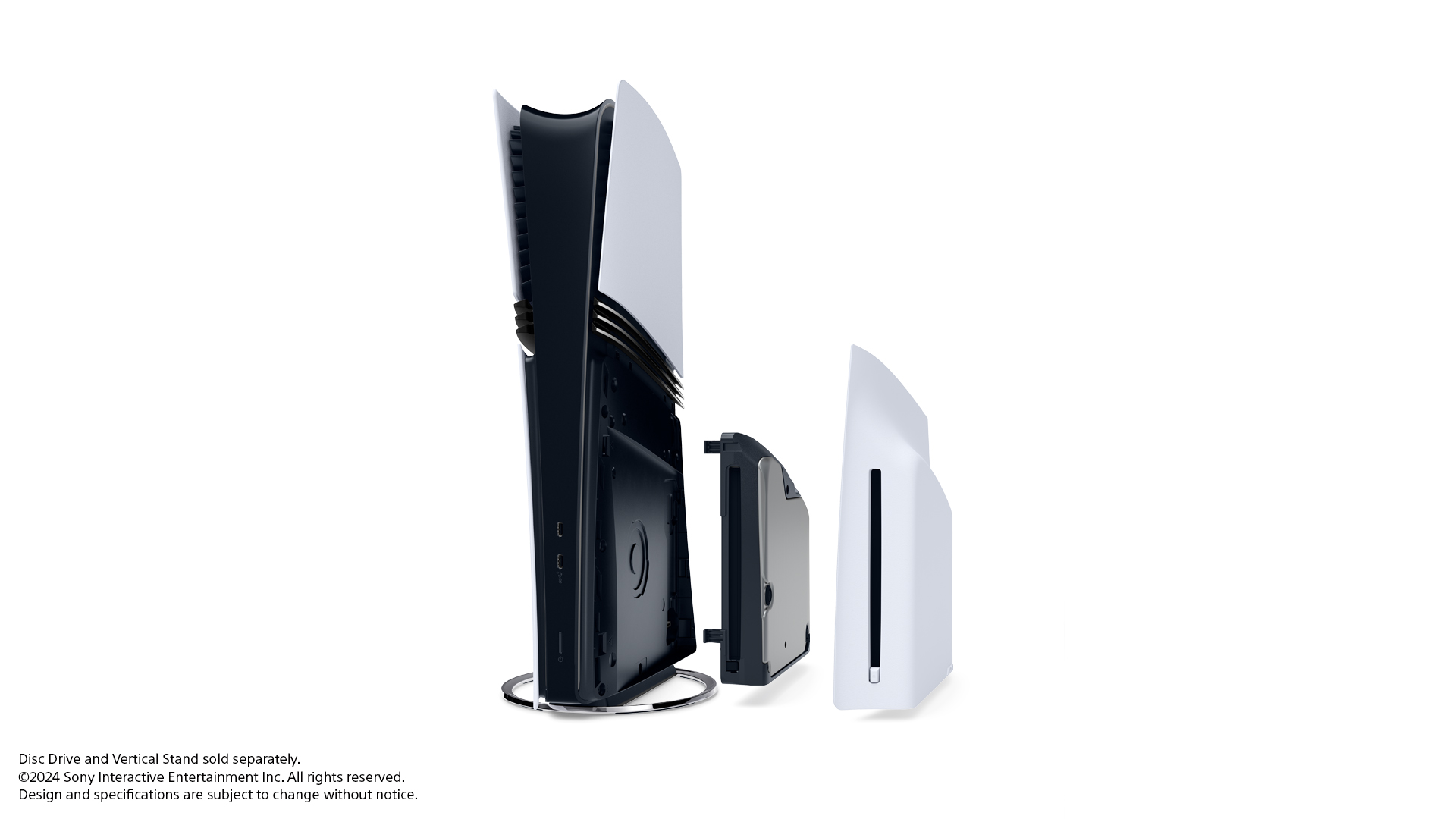
The removal of the disc drive is perhaps the most cynical move of all. It is a quiet acceleration of the all-digital future that platform holders are desperate to enforce. By making the disc drive an optional, expensive add-on, Sony is gently shoving its most dedicated users away from physical ownership and toward the PlayStation Store, where they control the pricing and take a 30% cut of every transaction. It is a business strategy disguised as a minimalist aesthetic choice.
“Digital-first” isn’t a convenience feature.
It’s a margin strategy.
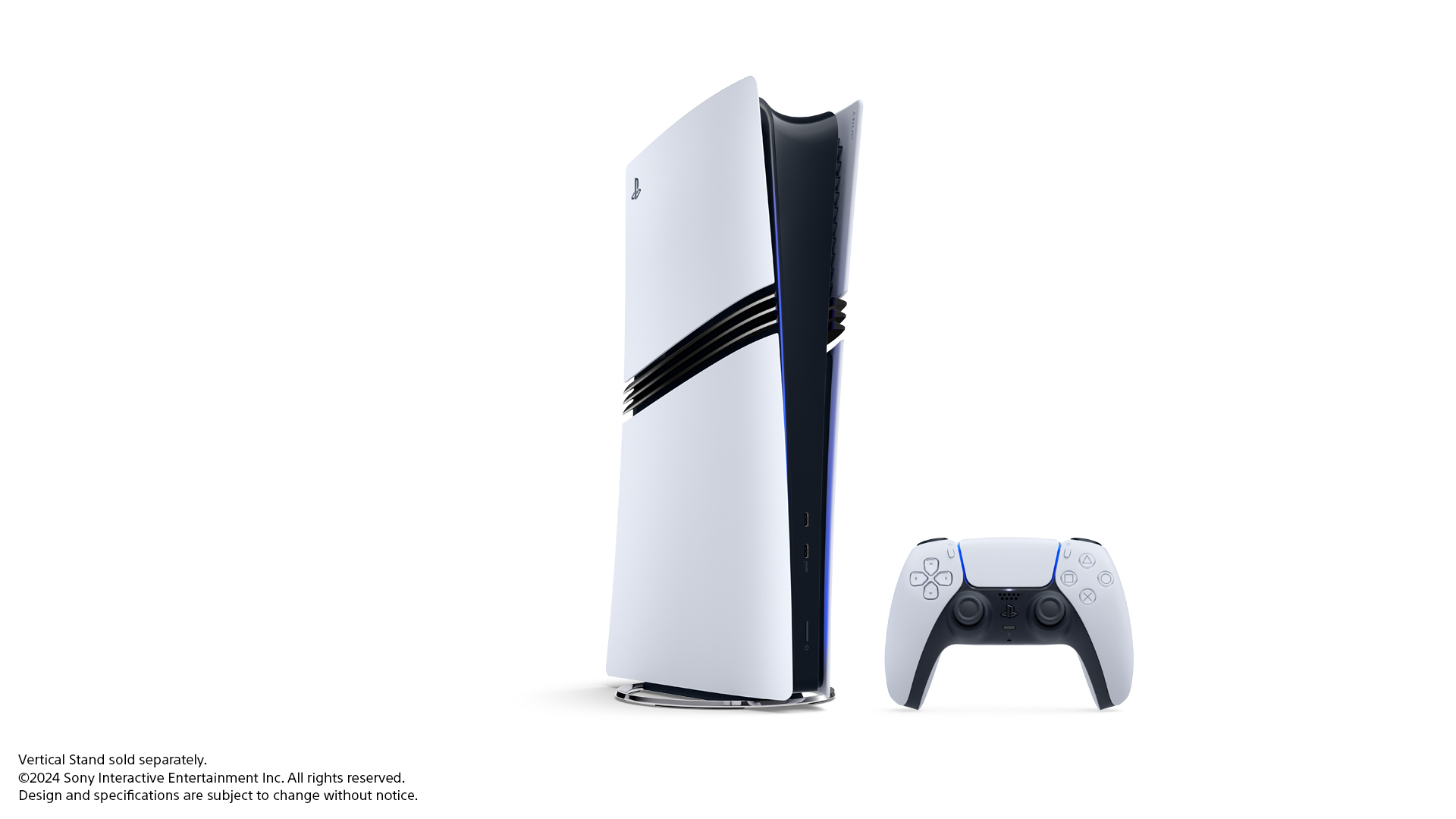
Ultimately, the PS5 Pro is a fascinating, powerful, and deeply unnecessary machine. It is a solution looking for a problem, offering incremental visual gains for an exponential price increase. Unless you are playing on a 75-inch OLED screen and sitting three feet away, the “Pro” difference is likely to remain invisible. But for Sony, the point isn’t that everyone buys one. The point is that the option to spend $700 now exists.
The PS5 Pro normalizes a new ceiling.
And once a ceiling becomes “normal,” it stops being a ceiling.