


There was a specific texture to the original Dragon Age: Origins that has been slowly scrubbed away over the last fifteen years. It was the texture of dried blood on iron.
That game was ugly, brown, tactical, and mean.
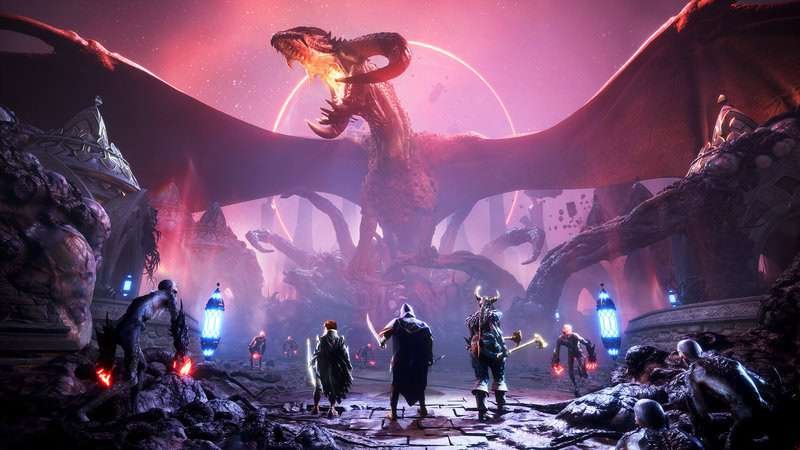
It forced you to make impossible choices in a world that fundamentally did not care if you survived. With the release of Dragon Age: The Veilguard, the scrubbing is finally complete. The blood is gone, replaced by neon purple particle effects. The grit has been smoothed over by a frictionless, high-gloss art style that owes more to Fortnite than to Tolkien. What remains is a perfectly competent, highly polished, and utterly safe action game that wears the skin of an RPG but possesses none of its internal organs.
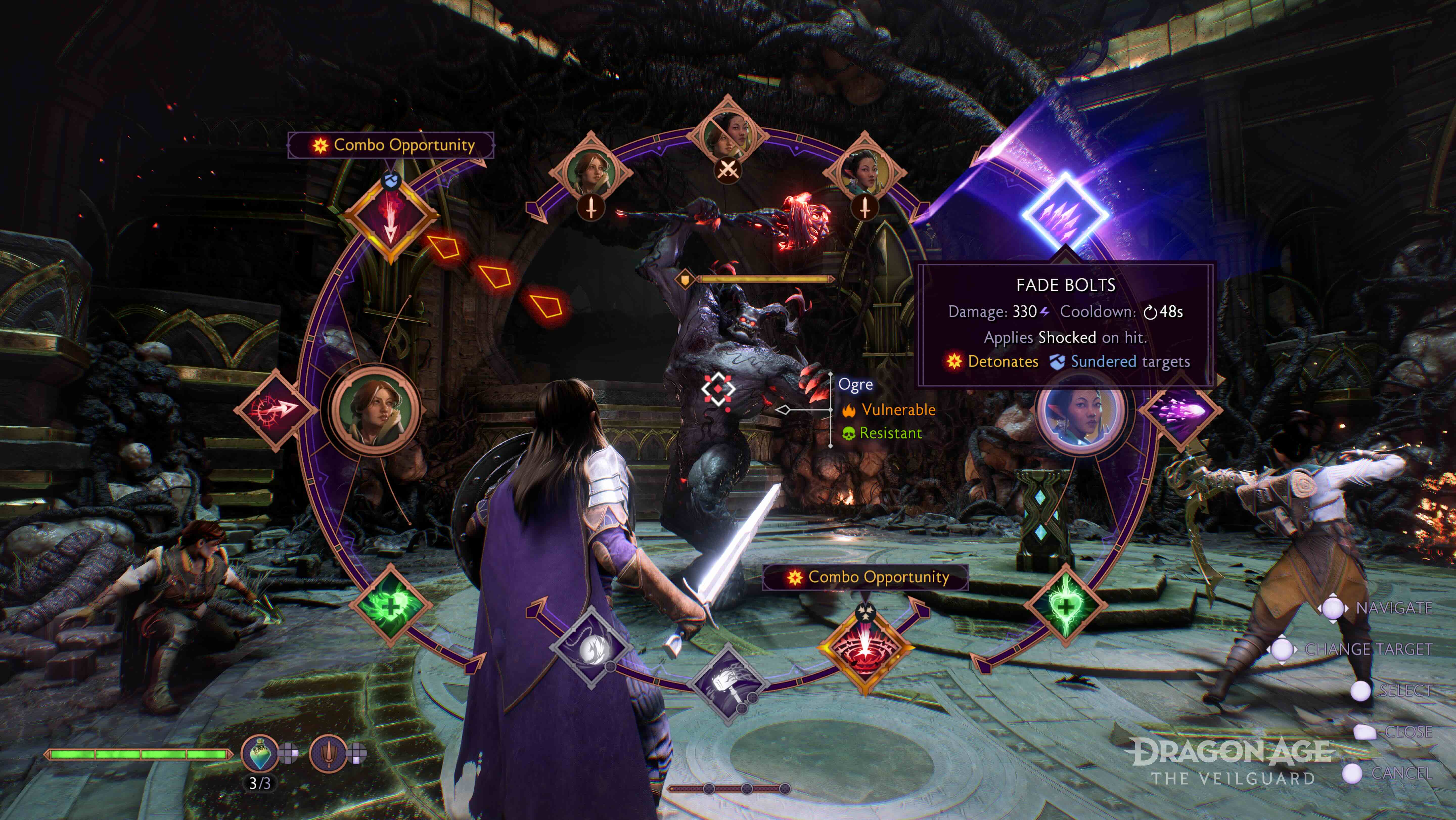
To be clear, The Veilguard is not a “bad” game in the mechanical sense. In fact, if you approach it purely as a linear action-adventure title, it is often spectacular. The combat, which has finally abandoned the awkward half-measures of Inquisition, is a fluid, responsive dance of dodges, parries, and ability spam. Controlling Rook feels good. The impact of a shield toss or a mage’s elemental barrage has a tactile crunch that the series has never previously achieved. BioWare has clearly studied the market leaders in the action genre and built a system that flows with the rhythm of a summer blockbuster. You are no longer a tactician pausing time to coordinate a flank; you are a superhero triggering cooldowns.
“We wanted you to feel like you are Rook—you’re in this world, you’re really focused on your actions.”
— Corinne Busche, Game Director (quoted by PC Gamer from Edge)
But Dragon Age was never supposed to be about feeling like a superhero. It was about the weight of leadership in a dying world. This is where The Veilguard collapses under the weight of its own polish. The narrative tone has been subjected to a rigorous sanitization process. The writing, once known for its jagged edges and moral ambiguity, has settled into a comfortable, modern rhythm of “therapy speak.”
Characters do not argue with the messy, irrational heat of real people; they articulate their trauma with the precision of a guidance counselor.
Take the companions. In previous entries, your party members were often dangerous, bigoted, or fundamentally broken individuals who might betray you if you pushed them too far. In The Veilguard, the party feels like a corporate HR team building exercise. Everyone is supportive, everyone is articulate, and everyone is safe. The friction—the essential spark that makes a party-based RPG interesting—is missing. When conflicts do arise, they are resolved with a speed and cleanliness that feels entirely unearned. The “Lighthouse,” your hub area, is less a war room and more a college dormitory where everyone is just trying to get along.
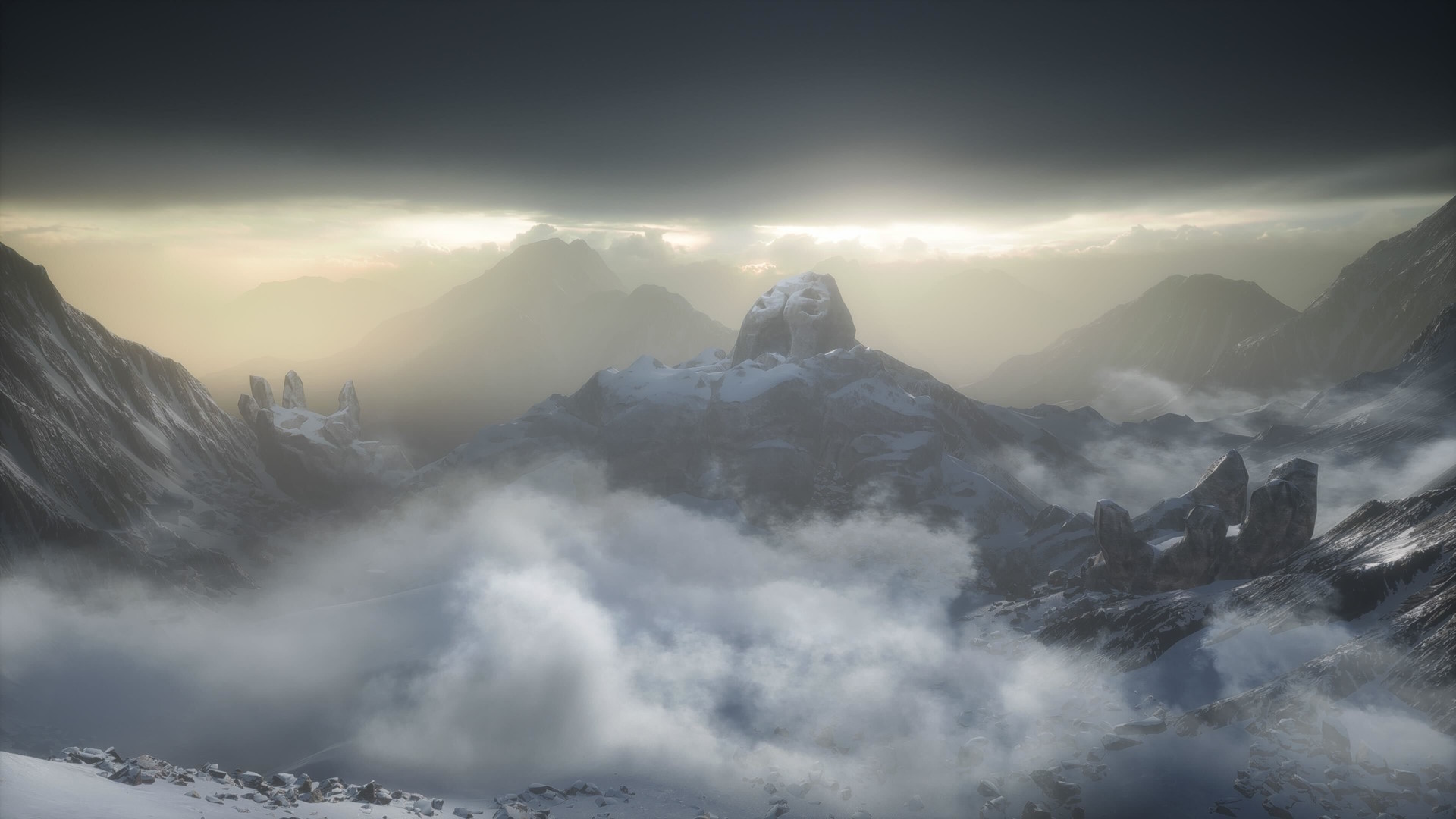
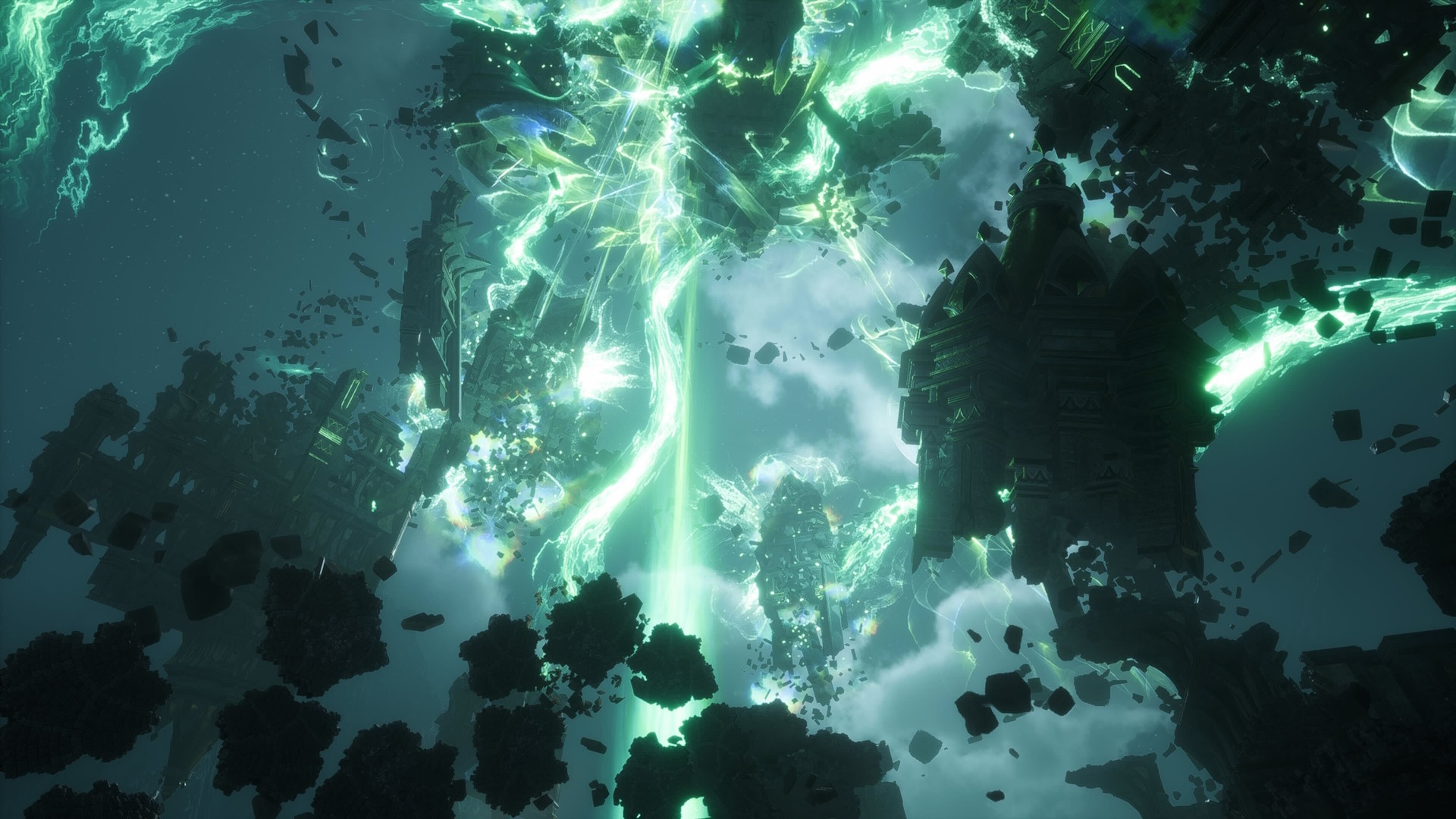
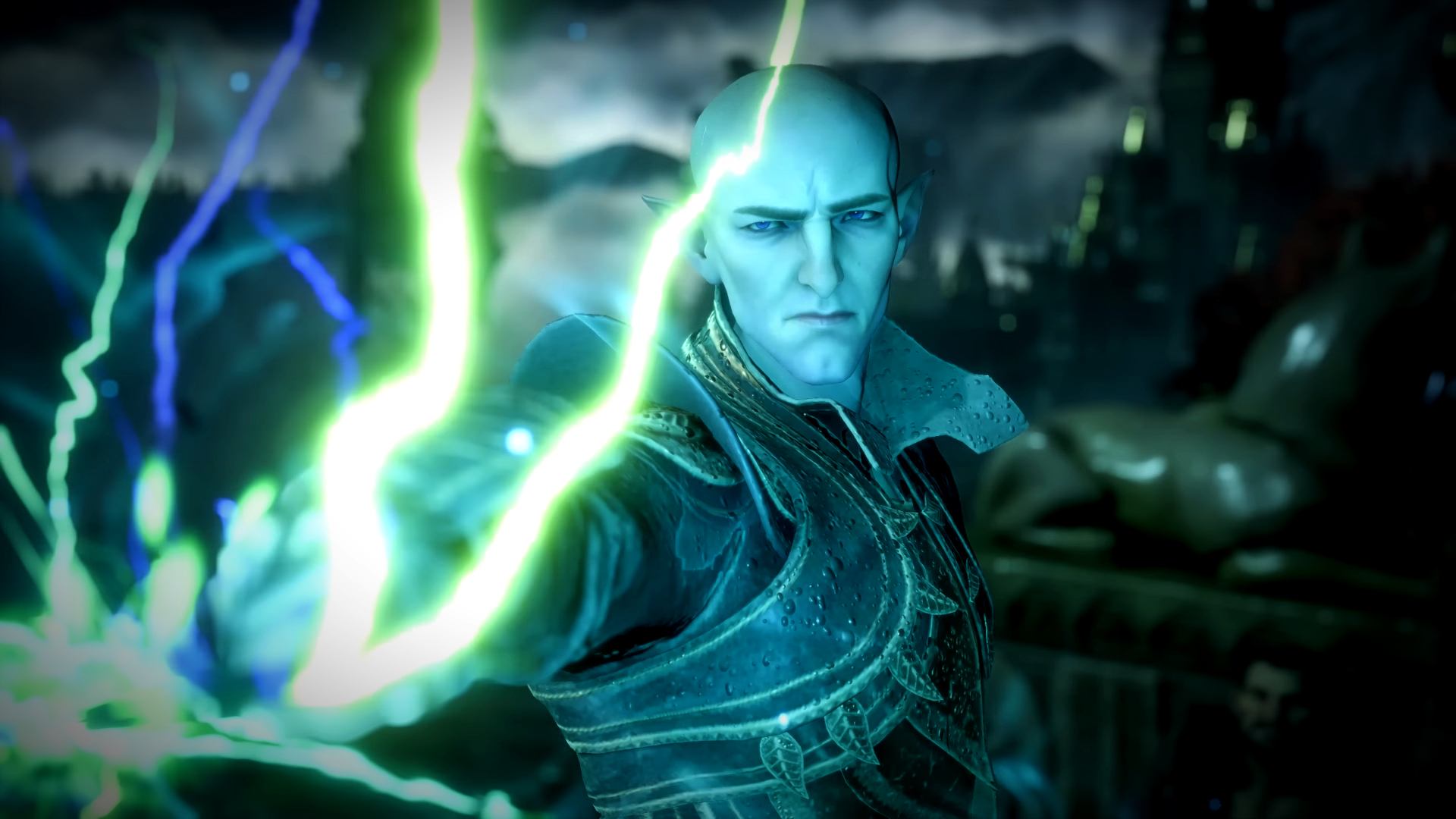
The visual direction reinforces this thematic softening. The world of Thedas, once a grimdark mirror of medieval Europe, has been “Pixar-ified.” The character models are smooth and slightly stylized, lacking the pores and scars of reality. The environments are gorgeous, undeniable feats of rendering technology, but they feel like theme park sets rather than lived-in places. The lighting is always dramatic, the colors are always saturated, and the grime is non-existent.
It is a world designed to look good on a Twitch stream, prioritizing readability and vibrancy over atmosphere.
“We’ve spent a lot of time thinking about skin tone.”
— Corinne Busche, speaking about character creator presentation and lighting checks
Structurally, the game represents a fascinating retreat. After the bloated, open-world exhaustion of Inquisition, BioWare has pivoted hard back to linearity. This is arguably the game’s strongest design choice. The mission structure is tight and focused, eliminating the endless fetch quests that plagued its predecessor. You are propelled forward by momentum, moving from one set-piece to the next without the need to collect twenty bear asses to unlock the next story beat. However, this linearity also exposes the shallowness of the role-playing mechanics. Without the illusion of a sprawling world, you realize quickly that your choices are largely cosmetic. The narrative rails are ironclad; you are merely choosing the color of the train car.
“We are a very handcrafted, mission-based game.”
— Corinne Busche, Official Xbox Podcast transcript
The antagonist, Solas, remains the game’s most compelling figure, carried over from the brilliant Trespasser DLC. He is complex, weary, and tragically motivated. But the game around him struggles to match his gravitas. Every time Solas begins to speak about the metaphysical consequences of tearing down the Veil, the game interrupts him with a quip or a flashy explosion, as if terrified that the player might get bored if things stay serious for more than thirty seconds. It is a game at war with its own lore, desperate to be cool when it should be tragic.
Why this impacts the future of gaming: The Veilguard is another data point in a bigger AAA trend: studios sanding down abrasive identity in exchange for broader readability—action-forward combat, brighter palettes, cleaner character silhouettes, more accessible “comfort” writing, and mission-based structure that’s easier to pace, stream, and ship.
The upside is obvious: smoother onboarding, fewer dead hours, less open-world bloat, and a clearer “pick up and play” loop. The cost is the slow extinction of the niche textures that made genres matter in the first place. If this becomes the default template, the next decade of big-budget RPGs may feel mechanically better and emotionally safer—while pushing the truly thorny, risky role-playing back into smaller studios that can afford to be weird, ugly, and uncompromising.
Dragon Age: The Veilguard is the final victory of mass appeal over niche identity. It is a game built to be played by everyone, which means it feels like it was made for no one in particular. It is smooth, beautiful, and fun to play on a Sunday afternoon.
But as the credits roll, you will likely feel a hollow ache for the days when BioWare games were a little bit uglier, a little bit harder to play, and a hell of a lot more real.